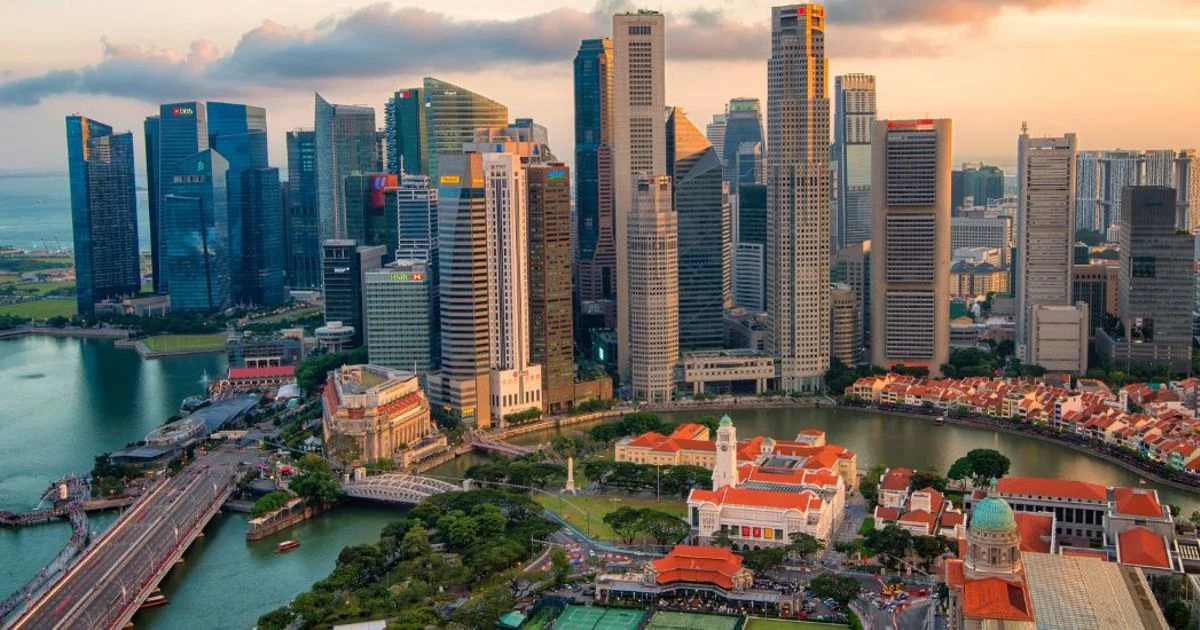
Singapore is frequently cited as the premier global city due to its unique combination of unparalleled safety, economic dynamism, and visionary urban planning. While many global capitals struggle with the friction of rapid urbanization, Singapore has managed to scale its infrastructure with a precision that borders on the scientific. In 2026, it continues to dominate international indices, ranking at the top for Standard of Living and Economic Competitiveness, while simultaneously being recognized as one of the world’s most resilient and sustainable urban environments. The city’s success is not a result of chance but the outcome of a highly disciplined, long-term governance model that prioritizes human capital and environmental harmony in a land-scarce environment.
The Architecture of Public Safety and Social Stability
One of the primary reasons Singapore is viewed as the world’s best city is its extraordinary level of safety and public order. It consistently ranks as the safest city in Asia and among the top three globally, often defined by a “zero-tolerance” approach to crime and a highly efficient, transparent legal system. This safety is not merely a statistical achievement; it is a lived experience for residents who can traverse any part of the island at any hour without fear. The Global Peace Index 2025 reaffirmed this status, noting that the city’s low crime rate is supported by a proactive police force and a population that maintains high trust in its public institutions. This social stability provides a foundation for both families and businesses to thrive without the societal disruptions common in other major metropolises.
An Economic Powerhouse and Global Business Hub
Economically, Singapore is a strategic nexus linking global capital with Asian growth. In 2026, it remains the top business environment in the world according to the Economist Intelligence Unit, offering a regulatory framework that is both predictable and innovative. As a global financial hub, it hosts the regional headquarters of thousands of multinational corporations, driven by a tax-friendly environment and world-class connectivity. The city’s foresight in investing in AI, cybersecurity, and green finance has ensured that it remains relevant in a rapidly shifting global economy. This prosperity is reflected in the city’s ability to attract top-tier global talent, ranking second globally for talent competitiveness, which in turn fuels a high-wage, high-skill domestic economy.
Urban Innovation and the “City in Nature” Concept
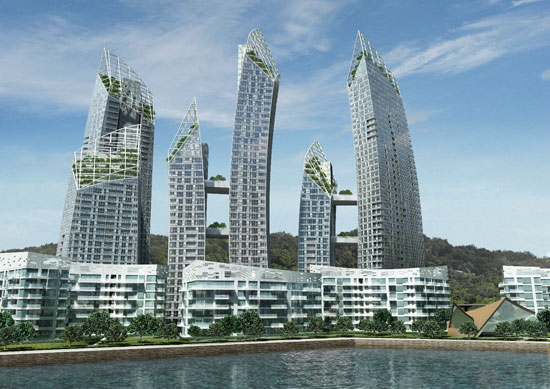
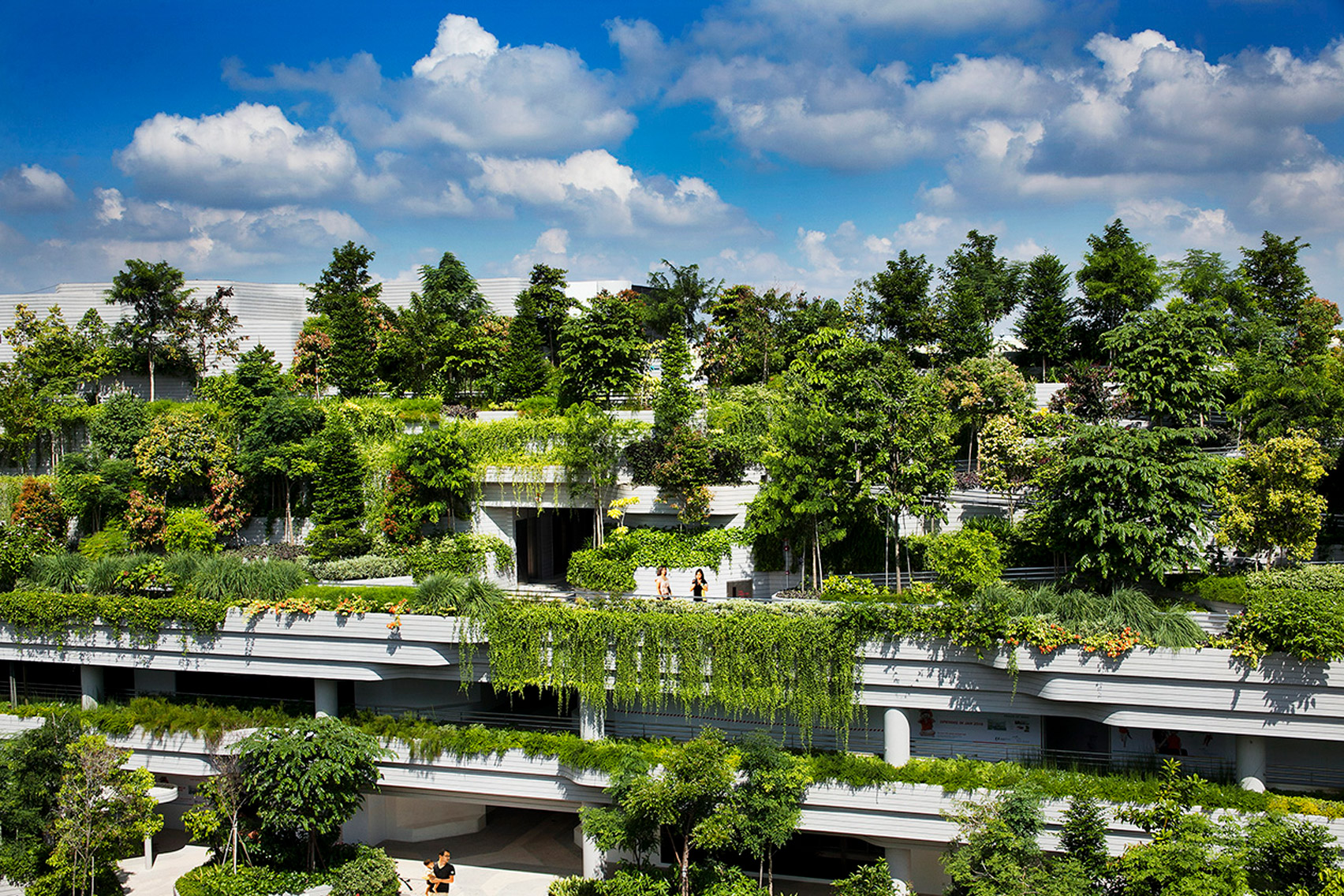
Singapore has redefined what it means to be a modern metropolis by pivoting from a “Garden City” to a “City in Nature.” Despite its dense population, over 40% of the land area is covered in green spaces, with a 2026 target of ensuring every household is within a 10-minute walk of a park. This integration of nature into the urban fabric—through vertical gardens, rooftop forests, and the interlinked Park Connector Network—mitigates the urban heat island effect and enhances the mental well-being of its citizens. The city’s commitment to the Singapore Green Plan 2030 demonstrates a visionary approach to sustainability, including massive investments in solar energy and a total phase-out of internal combustion engine vehicles in favor of electric mobility.
World-Class Public Infrastructure and Connectivity
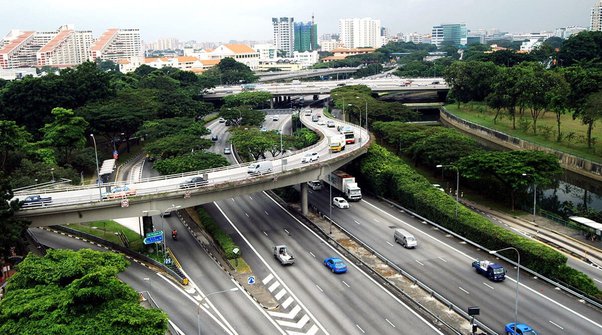
The efficiency of Singapore’s infrastructure is arguably its most visible hallmark. The city’s public transport system boasts a 93% approval rating, the highest globally, characterized by a seamless integration of high-speed rail and buses that makes car ownership unnecessary for most. Furthermore, Changi Airport and the Tuas Mega Port serve as the lungs of the city’s economy, providing unmatched global connectivity. Changi is consistently ranked as one of the world’s best airports, not just for its logistical efficiency but for its role as a lifestyle destination, featuring the world’s tallest indoor waterfall and lush botanical gardens. This level of infrastructure ensures that the “frictions of life”—commuting, traveling, and shipping—are minimized to an extent rarely seen elsewhere.
Excellence in Education and Human Capital
A city is only as good as its people, and Singapore’s education system is widely regarded as the best in the world. In the most recent PISA assessments, Singaporean students ranked first globally in mathematics, science, and reading. This focus on meritocracy and rigorous training extends to higher education, with the National University of Singapore (NUS) leading Asia and ranking among the global top ten in nearly 30 subjects in 2026. By treating education as a strategic national resource, the city ensures a continuous pipeline of “future-ready” workers capable of navigating the complexities of the 21st-century economy. This intellectual capital is the engine that drives Singapore’s persistent innovation and resilience.
Healthcare Efficiency and Longevity
Singapore’s healthcare system is a global model for combining high-quality outcomes with fiscal efficiency. It is frequently ranked as the most efficient healthcare system in the world, utilizing a unique “Medisave” model that encourages personal responsibility while providing a robust safety net through government subsidies. In 2026, the city is doubling down on predictive diagnostics and AI-powered healthcare to manage its aging population. The results speak for themselves: Singaporeans enjoy one of the highest life expectancies globally, supported by world-class medical facilities and a national focus on preventative health through the “Healthier SG” initiative. Access to top-tier medical care is not a luxury but a standard, contributing significantly to the city’s overall quality of life.
A Multicultural Tapestry and Culinary Capital
Beyond the steel and glass of its skyscrapers, Singapore is a vibrant multicultural society where Chinese, Malay, Indian, and Eurasian heritages coexist in a carefully managed social harmony. This diversity is most famously expressed through its hawker culture, which has been recognized by UNESCO as an Intangible Cultural Heritage. The city is a legitimate global food paradise, where one can find Michelin-starred street food stalls adjacent to high-end molecular gastronomy. This cultural richness, combined with a burgeoning arts scene and major international events like the Formula One Singapore Grand Prix, gives the city a “lovability” factor that balances its reputation for clinical efficiency.
A Model for the Future of Humanity
Ultimately, Singapore is considered the best city in the world because it offers a blueprint for sustainable, high-density living. It proves that a city can be a global economic powerhouse while remaining green, safe, and socially cohesive. While the cost of living remains a challenge, the “social wage” provided in the form of world-class parks, public safety, and efficient transport offers a level of stability and opportunity that few other cities can match. In an era of global uncertainty, Singapore stands as a resilient “safe haven,” a city that doesn’t just adapt to the future but actively builds it.