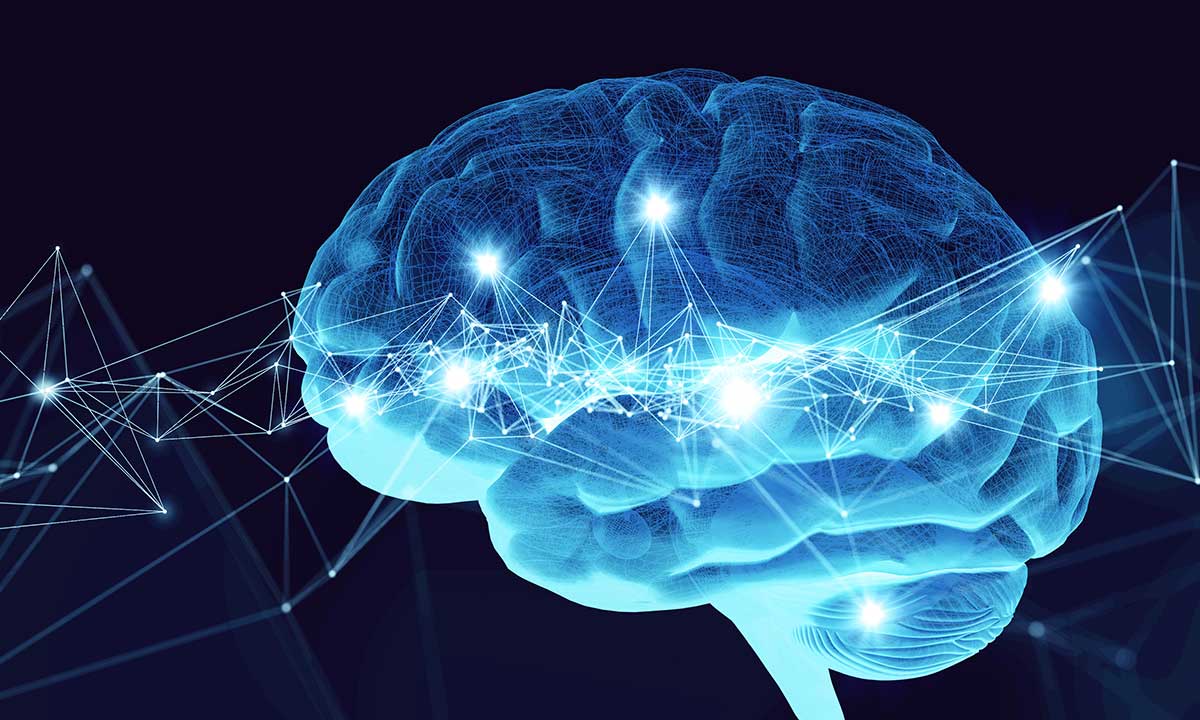
In a monumental shift for the fields of neuroscience and cryobiology, a collaborative team of researchers at the University of Erlangen–Nuremberg in Germany has achieved what was long dismissed as the stuff of science fiction. For the first time in medical history, scientists have successfully thawed deep-frozen brain tissue and observed the spontaneous reawakening of complex neural activity. This breakthrough, recently detailed in the journal Proceedings of the National Academy of Sciences (PNAS), provides the first empirical evidence that the delicate architecture of the adult mammalian brain can survive the transition to cryogenic temperatures and return to a functional state. The experiment marks a definitive “proof of principle” that biological life can be paused and restarted at the cellular level without losing the essential machinery required for learning and memory.
For decades, the primary obstacle to successful cryopreservation has been the formation of ice crystals. Because the brain is composed largely of water, traditional freezing causes water molecules to expand into jagged structures that physically shred the synapses and cell membranes. To bypass this, the German team utilized an advanced method known as vitrification. By replacing a portion of the brain’s water with a specialized “cocktail” of cryoprotectant chemicals, they were able to cool the tissue so rapidly—reaching -196°C (-321°F) in liquid nitrogen—that it solidified into a glass-like state rather than ice. This “glassy” transition effectively locked the neurons in time, preserving their nanostructure with near-perfect fidelity.
The most stunning results occurred during the controlled rewarming phase. Upon reaching physiological temperatures, 350-micrometer-thick slices of the hippocampus—the region of the brain critical for memory—began to exhibit spontaneous electrical signaling. Using electron microscopy, researchers confirmed that the synaptic connections remained structurally intact. However, the true “holy grail” of the study was the observation of Long-Term Potentiation (LTP). LTP is the cellular mechanism through which synapses strengthen over time, forming the physical basis of how we store new information. The fact that these frozen circuits could still “learn” post-thaw suggests that the fundamental “software” of the mind might remain viable even after a total biological shutdown.
“This kind of progress is what gradually turns science fiction into scientific possibility,” stated Mrityunjay Kothari, a leading expert in freezing biology who reviewed the findings. He noted that while the world is captivated by the idea of human cryosleep, the immediate medical applications are far more grounded. Currently, surgeons who remove neural tissue during epilepsy operations or tumor resections must study the samples immediately before they degrade. This new vitrification technique could lead to the creation of “neural organ banks,” allowing high-fidelity human brain tissue to be preserved for years. This would provide an unprecedented resource for testing new medications and researching neurodegenerative diseases like Alzheimer’s without the pressure of a ticking clock.
The research did not stop at thin tissue slices. The team also attempted to vitrify entire rodent brains. This process is significantly more complex because the blood-brain barrier naturally resists the intake of protective chemicals. By utilizing a sophisticated perfusion system to pump cryoprotectants directly through the vascular network, the scientists managed to freeze and thaw a whole organ. While not all samples survived—some suffered from tissue shrinkage or chemical toxicity—one out of every three brains showed remarkably preserved circuits. After thawing, the researchers took sections from these whole brains and again recorded functional electrical signals, proving that the global structure could be maintained.
Despite the euphoria surrounding the announcement, the scientific community remains cautious. “Our study is a proof of principle in neural cryobiology, not a demonstration of whole-organism cryostasis,” emphasized Alexander German, the lead neurologist on the project. “The result tells us that this synaptic machinery remained sufficiently intact to support new plasticity after complete cryogenic arrest, but we have not yet resurrected a living, conscious animal.” The distinction is vital; while the “hardware” of the brain appears recoverable, it is still unknown if the “data”—the actual memories and identity of an individual—survives the process. Additionally, the chemicals used to prevent ice formation are inherently toxic, and the researchers must find a way to neutralize these side effects before human trials can even be considered.
The implications for future technologies are nonetheless staggering. In the realm of aerospace medicine, the success of this study provides a foundational scientific basis for long-duration space missions. If human biological processes could be safely “paused” for months or years, the logistical hurdles of traveling to Mars or beyond would be radically transformed. Closer to home, the breakthrough offers a sliver of hope for those suffering from currently incurable diseases. The “sober version” of the cryosleep dream, as Dr. German puts it, is simply buying time. A patient today could theoretically be preserved until a cure for their specific ailment is developed in the decades to come.