
July 3, 2026
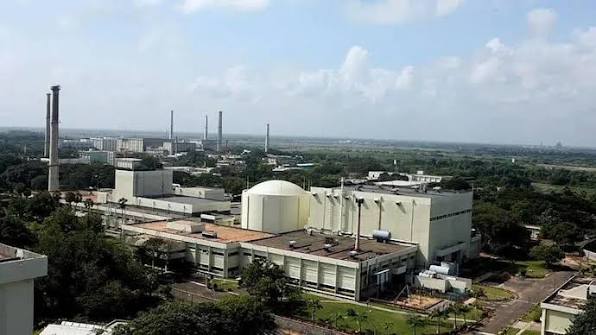
India has reportedly inaugurated a pioneering industrial facility that is being hailed as the world’s first hydrogen production plant powered directly by nuclear thermal energy, bypassing the conventional step of converting heat into electricity. This development marks a significant departure from the standard models of green hydrogen production, which typically rely on renewable electricity to split water molecules via electrolysis. Instead, this new facility utilizes the intense process heat generated by a nuclear reactor to drive a thermochemical cycle, achieving hydrogen separation at extremely high temperatures.
The core of this achievement lies in its potential to dramatically improve the overall efficiency of hydrogen production, as it eliminates the energy losses inherent in the electricity generation and transmission process. By directly coupling a high-temperature gas-cooled reactor with a chemical plant, India is positioning itself at the forefront of a niche but potentially transformative energy sector that could decarbonize heavy industry more effectively than intermittent renewable sources alone.
The implications of this technological leap extend far beyond the plant’s immediate output. The most critical aspect of this development is its potential to produce hydrogen at a cost that is competitive with, or even lower than, hydrogen derived from fossil fuels, a milestone that the global energy industry has been striving to achieve for decades. This “nuclear-hydrogen” pathway offers a consistent, high-capacity factor that is largely immune to the weather fluctuations that affect solar and wind power, ensuring a stable and reliable supply of clean fuel for industrial consumers.
Furthermore, the process is notably carbon-free at the point of production, aligning with India’s ambitious climate goals under the Paris Agreement and its broader strategy to achieve net-zero emissions. The successful operation of this plant is expected to serve as a blueprint for a new class of industrial parks, where nuclear reactors are co-located with chemical processing units to produce not only hydrogen but also synthetic fuels and fertilizers, fundamentally reshaping the energy landscape of the region.
Beyond the technical specifications, the project carries significant geopolitical and economic weight. India’s mastery of this technology offers a strategic advantage, potentially reducing its reliance on imported crude oil and natural gas, which currently power a substantial portion of its transportation and industrial sectors. By developing an indigenous supply chain for nuclear-grade materials and thermochemical reactors, India is also fostering a high-tech manufacturing ecosystem. The plant is expected to produce several tonnes of ultra-pure hydrogen daily, which will initially be supplied to nearby refineries and fertilizer plants to help them meet stricter environmental norms.
However, the longer-term vision involves using this hydrogen to fuel heavy-duty transport and to develop “green steel” production processes, which are notoriously difficult to decarbonize using electricity alone. This initiative also strengthens India’s position in international climate diplomacy, showcasing a tangible solution for hard-to-abate sectors and potentially encouraging other nations with advanced nuclear programs to explore similar integrations.
However, experts caution that the widespread adoption of this technology will depend heavily on the resolution of regulatory, safety, and public perception challenges. Operating a chemical plant adjacent to a nuclear reactor introduces complex safety protocols, requiring stringent safeguards to prevent accidents and ensure the integrity of the hydrogen containment systems. Additionally, the economic viability of scaling up this model relies on the cost of nuclear fuel and the capital expenditure for building specialized reactors.
While the technology promises high efficiency, the initial investment is substantial, and the project will likely need government subsidies to compete in the global hydrogen market. Nevertheless, the Indian government is reportedly exploring public-private partnerships to build at least three more such facilities within the next decade, eyeing export markets in Southeast Asia and Europe that are eager to secure clean hydrogen supplies. The success or failure of this pilot plant will therefore have profound implications for the future of nuclear energy, potentially heralding a new era where atomic power is used not just for electricity, but as a primary heat source for a sustainable industrial future.