
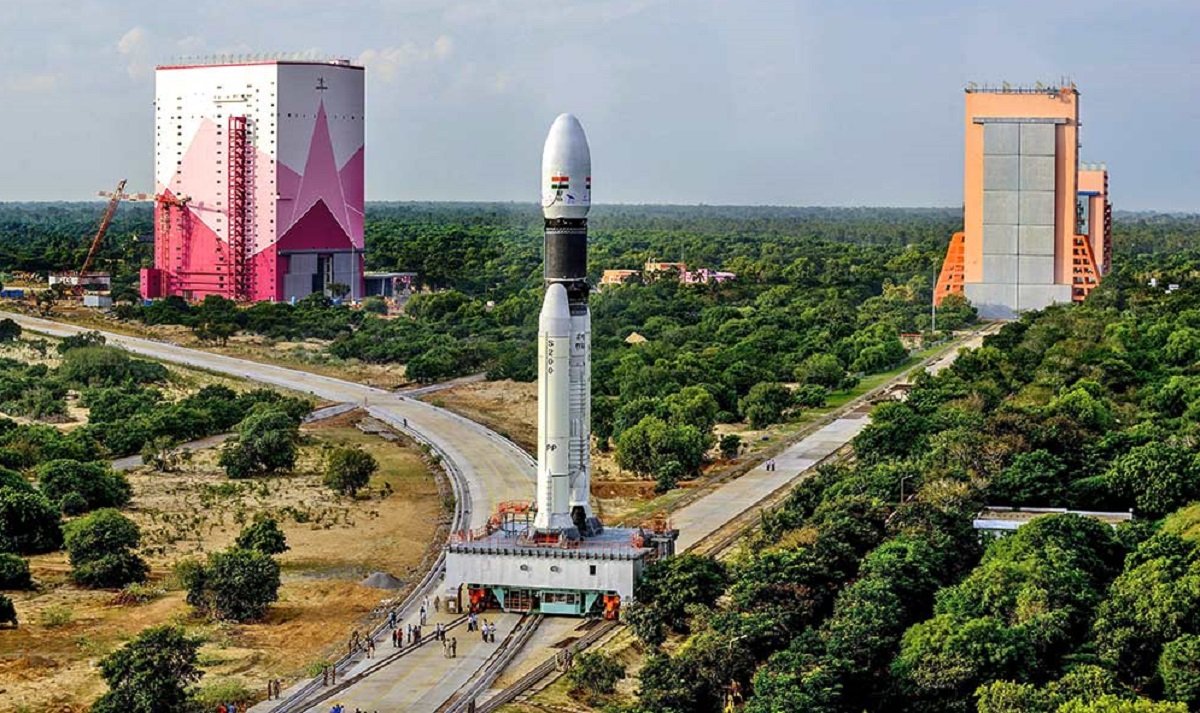
In a landmark move that signals a significant shift in its space policy, the Indian government is set to hand over its new, under-construction spaceport to the private sector. The facility, located in Kulasekharapatnam in Tamil Nadu’s Thoothukudi district, is being built at a cost of Rs 950 crore and is intended to be a dedicated hub for commercial and small satellite launches. Prime Minister Narendra Modi laid the foundation stone for this ambitious project in February 2024, marking a pivotal moment in India’s journey to become a global space power by opening its doors to private enterprise.
The strategic decision to hand over operations to the private sector aligns perfectly with the government’s broader vision of commercializing space activities and transitioning the Indian Space Research Organisation (ISRO) away from routine operational tasks so it can focus on advanced research, deep-space exploration, and next-generation technology development. This initiative is a cornerstone of the space reforms initiated in 2020, which aimed to foster a vibrant “NewSpace” ecosystem in the country.
The new spaceport, spread across approximately 2,233 to 2,350 acres, is specifically designed to cater to the burgeoning small satellite market and the needs of private launch vehicle developers. Its location is of immense strategic importance, as it will allow rockets to launch directly southward over the Indian Ocean. This geographical advantage is critical for achieving polar orbits without having to perform a “dogleg” maneuver to avoid Sri Lanka’s landmass, a necessity for launches from ISRO’s existing spaceport in Sriharikota, Andhra Pradesh. By enabling a direct trajectory, the new spaceport will result in significant fuel savings, thereby increasing payload capacity and reducing overall launch costs for smaller rockets such as the Small Satellite Launch Vehicle (SSLV).
This enhanced efficiency is expected to be a major draw for private space companies and international clients looking for cost-effective launch solutions. The facility is designed to support a high launch frequency of up to 24 launches per year, utilizing a mobile launch structure to streamline operations and reduce turnaround times. Its development comes at a time when India’s space-tech startup ecosystem has exploded, growing from just a handful of ventures to over 350 startups, catalyzed by government policy changes and a robust framework for technology transfer.
The government’s move to entrust this Rs 950-crore facility to the private sector is part of a larger, more comprehensive strategy to increase private participation across all facets of the space industry. This strategy is not limited to just infrastructure, but also includes the transfer of key technologies and the privatization of production. For instance, ISRO has already invited private firms to acquire and commercialize its proven LVM3 rocket technology, the very launch vehicle that carried India’s historic Chandrayaan-3 mission to the Moon. Furthermore, ISRO has announced plans to transfer 50% of the development of its workhorse Polar Satellite Launch Vehicle (PSLV) to an industry consortium led by HAL and Larsen & Toubro, with the first such rocket expected to roll out soon.
In a similar vein, ISRO has signed a Rs 511 crore agreement with HAL to transfer SSLV technology, with the aim of privatizing the production of 16 such rockets. These initiatives are designed to allow private industry to take over the manufacturing and operational aspects, enabling ISRO to concentrate its resources on research and development while also positioning Indian companies as major players in the global space supply chain. The government has also amended its Foreign Direct Investment (FDI) policy for the space sector, allowing up to 100% FDI in certain areas to attract overseas players and capital, further bolstering the space economy.
However, this rapid push towards privatization has also brought some concerning issues to light. A recent report from the Parliamentary Standing Committee on Science and Technology has raised serious questions about the financial terms of technology transfers from ISRO to private firms. The committee pointed out that high-end technologies, including those related to satellites, rockets, and advanced materials, are often being transferred to private players at what it called “undervalued rates”. This practice allows private partners to “earn significant profits” while the originating government institutes like ISRO receive only a “marginal share of the value created”.
The report highlighted that nearly 70 of 100 technology transfer agreements signed by ISRO’s commercial arm, NewSpace India Limited (NSIL), were for less than Rs 10 lakh each, with some being transferred for as little as Rs 6,000 or even at no cost. While the Department of Space has defended these agreements as part of a strategy to foster a robust industrial base and create a “systematic unfair advantage” for Indian startups to compete globally, the parliamentary panel’s observations underscore the need for a more balanced approach that ensures public investment yields fair returns. This criticism, coupled with reports of the government making it harder for some ISRO scientists to leave for the private sector, highlights the complex challenges India faces as it navigates the transformation of its space sector from a state-dominated enterprise to a public-private partnership model. The successful handover and operation of the new Kulasekharapatnam spaceport will be a key test of this new model. The project is expected to be completed and operational in about two years, and its success could solidify India’s position as a global space power and serve as a blueprint for future collaborations with the private sector.