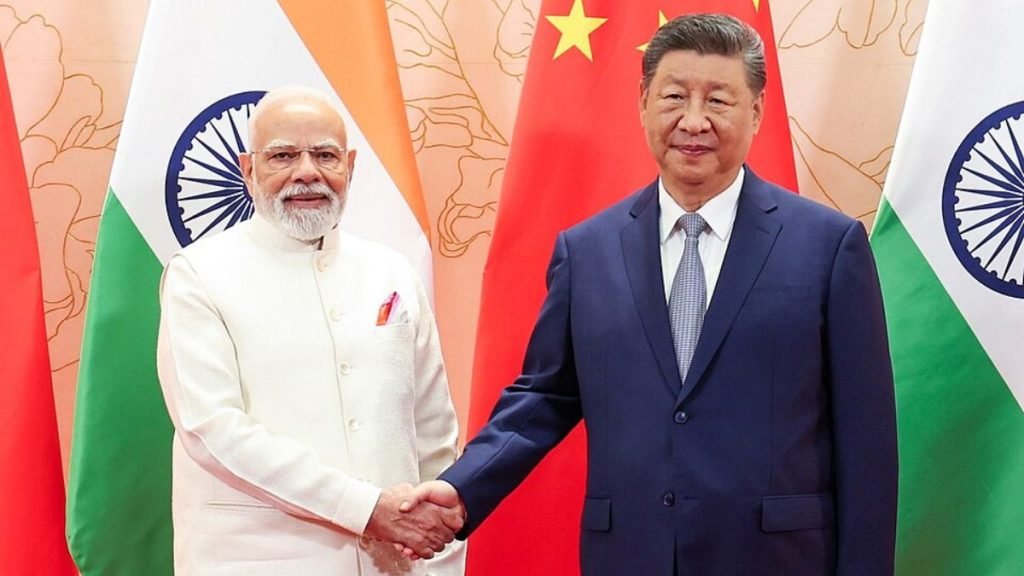
India and China have taken structured, strategic steps toward improving bilateral cooperation during the 18th BRICS Summit hosted at Bharat Mandapam in New Delhi under India’s 2026 chairship. Prime Minister Narendra Modi and Chinese President Xi Jinping held high-level bilateral discussions on the sidelines of the summit, marking Xi’s first visit to India in nearly seven years and signaling a mutual commitment to stabilize ties. Building on the diplomatic momentum following border disengagement agreements, both leaders addressed key security, economic, and multilateral issues. The exchange centered on moving past the friction of the 2020 border standoff and constructing a resilient framework for future engagement.
Prime Minister Modi emphasized that mutual respect, mutual sensitivity, and mutual interest must guide the bilateral relationship. He explicitly noted that maintaining peace and tranquillity along the border remains the essential foundation for overall growth in ties. Both nations reaffirmed their commitment to a fair, reasonable, and mutually acceptable resolution of the boundary dispute, noting steady progress made during prior diplomatic engagements and special representative talks. Modi stressed that differences must not be allowed to escalate into disputes, urging strict observance of existing bilateral border protocols while advancing long-term national interest goals.
President Xi Jinping presented a structured four-point approach aimed at resetting and normalizing China-India ties. His proposal focuses on establishing an objective, rational strategic understanding, reiterating that India and China are partners rather than rivals and development opportunities rather than threats. The remaining points call for balanced trade and economic cooperation, resolving differences through political wisdom, and defending inclusive multilateralism. Xi emphasized that as the world’s two most populous nations and leading economies of the Global South, both countries shoulder a global responsibility to cooperate rather than engage in systemic friction.
Economic trade relations featured heavily in the bilateral dialogue, addressing existing market imbalances. While China remains one of India’s largest trading partners, New Delhi highlighted the persistent trade deficit and urged Beijing to grant broader market access for Indian goods and services. Both sides agreed to engage in practical mechanisms to eliminate trade hurdles, streamline cross-border supply chains, and build economic resilience within the broader BRICS economic framework.
Multilateral cooperation across global platforms emerged as a unified outcome of the Delhi meetings. Following the formal adoption of the New Delhi Declaration 2026, both leaders pledged to collaborate closely across the United Nations, G20, Shanghai Cooperation Organisation (SCO), and BRICS. As India prepares to hand over the rotating BRICS chairship to China for 2027, Beijing expressed gratitude for India’s presidency and confirmed its intention to sustain the momentum on global governance reform, economic stabilization, and global security challenges.