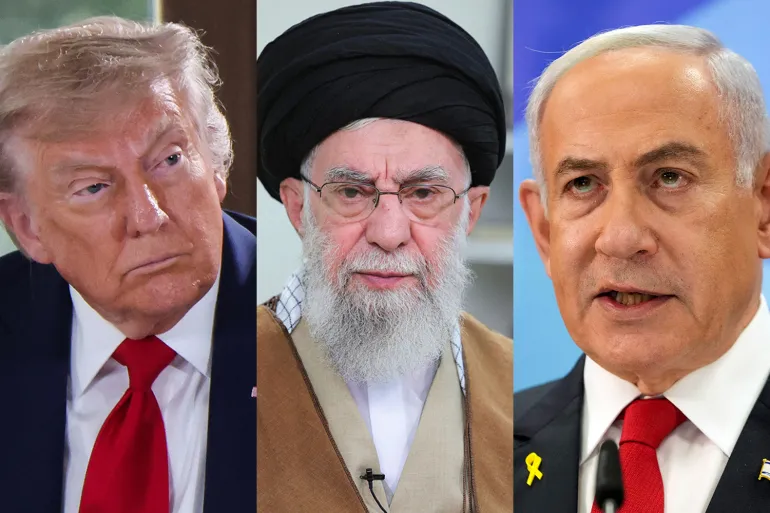
The environmental cost of the conflict involving Israel, the United States, and Iran is a multifaceted catastrophe that transcends national borders, impacting the Earth’s atmosphere, marine ecosystems, and the long-term viability of human habitation in the Middle East. As of April 2026, the intensification of hostilities has shifted from a purely geopolitical struggle to a profound ecological crisis. Modern warfare in this region—characterized by high-tech missile strikes, the targeting of carbon-dense energy infrastructure, and massive military logistics—generates an environmental footprint that may take centuries to remediate.
The Carbon Surge and Atmospheric Degradation
The most immediate and global environmental cost of the conflict is the staggering release of greenhouse gases. Militaries are among the world’s most carbon-intensive institutions, and the current mobilization is no exception. The U.S. military is the single largest institutional consumer of petroleum on the planet, and its expanded operations in the Middle East have exponentially increased its fuel consumption. Research from the Conflict and Environment Observatory (CEOBS) indicates that the first two weeks of concentrated strikes in early 2026 produced over 5 million tons of carbon dioxide, a figure exceeding the annual emissions of entire nations like Iceland.
Beyond fuel consumption, the destruction of infrastructure adds a “carbon debt” that will persist for decades. The reconstruction of destroyed urban centers in Iran and Israel will require massive amounts of cement and steel—two of the most carbon-heavy industrial products. “Much of the impact of war on climate change will be observed into the future over longer timescales, especially as a majority of the emissions will arise from post-war reconstruction,” notes a report from ORF Middle East. Furthermore, the disruption of global shipping routes—particularly the closure of the Strait of Hormuz—forces vessels to take longer journeys around the Cape of Good Hope, increasing shipping-related emissions by nearly 50% to 70% per voyage.
Targeted Energy Infrastructure and “Black Rain”
A defining feature of this conflict has been the systematic targeting of oil refineries, storage depots, and power plants. When an oil refinery like the Shahran facility in Tehran or the Ras Tanurah in Saudi Arabia is struck, the result is not just an explosion but a massive atmospheric poisoning event. The burning of hundreds of thousands of barrels of crude oil releases a toxic cocktail of sulfur dioxide, nitrogen oxides, and heavy metals.
Residents in the region have reported the phenomenon of “black rain”—a mixture of precipitation and oily soot that coats buildings, poisons crops, and seeps into the groundwater. “Heavy smoke from burning oil, which includes hazardous compounds, is now being directly inhaled by people—including young children—raising serious concerns about long-term impacts on both human and environmental health,” warned the United Nations Environment Programme (UNEP) in March 2026. This pollution does not remain localized; atmospheric currents carry these toxins across borders, affecting the air quality of neighboring states that are not direct parties to the conflict.
Marine Devastation in the Persian Gulf
The Persian Gulf is a fragile marine ecosystem, home to unique coral reefs, mangroves, and endangered species like the green turtle and the hawksbill. The naval component of the war has seen the sinking of dozens of vessels and strikes on offshore platforms, leading to catastrophic oil leaks. Unlike the open ocean, the Gulf is a semi-enclosed body of water with low flushing rates, meaning that pollutants remain trapped for much longer periods.
White phosphorus and other chemical munitions used in coastal and agricultural zones have also found their way into the sea. This chemical runoff, combined with the heat from explosions and oil slicks, creates “dead zones” where oxygen levels are too low to support marine life. “Experience from past conflicts shows that pollution, contamination and ecological stress can persist long after the missiles stop flying,” states Doug Weir, Director of the Conflict and Environment Observatory. The long-term impact on fisheries and food security for the millions who rely on the Gulf is potentially irreversible.
Soil Contamination and “Water Bankruptcy”
In the arid climate of the Middle East, water is the most precious resource. The conflict has severely damaged desalination plants and wastewater treatment facilities, leading to the discharge of raw sewage into the environment and the contamination of limited freshwater aquifers. The use of heavy military vehicles and high-explosive munitions also causes soil destabilization, leading to an increase in frequency and intensity of dust storms.
“Heavy military vehicles and explosions destabilize and disintegrate the desert soil making it easier to blowout and create dust storms that can travel long distances,” explains researcher Barrak Alahmed. These storms transport toxic residues from munitions—including lead, mercury, and potentially depleted uranium—into populated areas. This environmental degradation contributes to what experts call “water bankruptcy,” where the demand for clean water far outstrips the degraded supply, potentially fueling future cycles of displacement and conflict.