
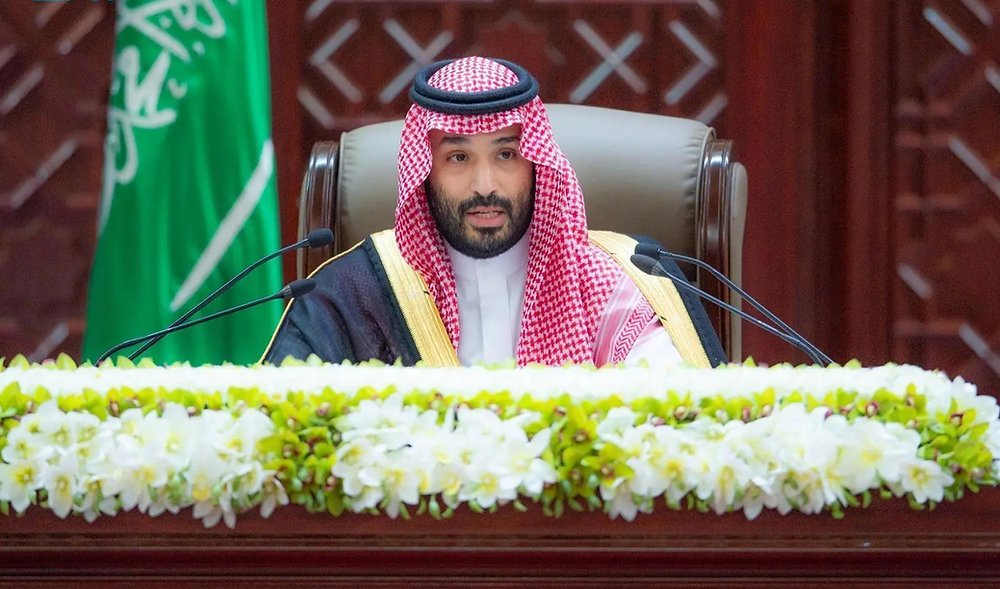
Saudi Crown Prince Mohammed bin Salman issued a stark warning to the Houthis in late September 2026, but the caution came against a backdrop of diplomatic and military setbacks that had left Riyadh increasingly isolated.
The crown prince twice called U.S. President Donald Trump within two days in mid-September, urgently requesting direct American strikes against the Houthis—only to be rebuffed each time. Trump declined the request, stressing that Washington had no plans to intervene directly against the Houthis for now. The refusal exposed Saudi Arabia’s precarious position and forced the de facto Saudi leader to shift toward more forceful public rhetoric. A senior Trump administration official described the U.S. priority as “maintaining freedom of navigation while allowing regional partners to take the lead” in the broader conflict.
The urgency stemmed from the Houthis’ rapid military advances along Yemen’s western coast, which culminated in their capture of the strategic port city of Mocha and three islands overlooking the Bab al-Mandab Strait. The Bab al-Mandab Strait is the southern gateway to the Red Sea and Suez Canal, a critical maritime chokepoint for global trade and—crucially—for Saudi oil exports. Analysts noted that the Houthis’ control of the strait, combined with Iran’s ongoing disruption of the Strait of Hormuz, would give Tehran and its allies simultaneous leverage over two of the Middle East’s most vital maritime corridors. Oil prices surged past $100 per barrel as the crisis deepened.
Saudi Arabia, the world’s largest oil exporter, had relied on the Red Sea route after Iran’s Hormuz blockade effectively choked off its shipments through the Gulf. The Houthis also carried out their heaviest missile and drone attacks against Saudi Arabia in years, striking Aramco facilities in Abha, Jizan, and Najran and wounding 73 people. Saudi authorities were forced to shut down the East-West pipeline—a key artery for bypassing Hormuz—following attacks on the Riyadh and Medina regions. Saudi-led coalition spokesperson Turki al-Maliki called the attacks “a dangerous escalation” and a violation of Saudi sovereignty.
The Houthis’ lightning offensive displaced approximately 46,000 people and killed more than 500, according to sources on both sides. A United Nations migration agency official described the humanitarian toll, while the UN Special Envoy for Yemen called the renewed hostilities “an extremely alarming development”. Houthi military spokesman Yahya Saree declared that navigation through Bab al-Mandab was “safe” for all shipping except Saudi vessels, and the group’s leadership insisted its operations posed “no threat” to international navigation.
The U.S. agreed to provide Saudi Arabia with intelligence on the Houthis and targeting data, and roughly 200 American military personnel were already in the kingdom providing non-kinetic support. Admiral Brad Cooper, commander of U.S. Central Command, traveled to Saudi Arabia for urgent coordination meetings. Yet Trump’s directive was clear: keep American forces focused on Iran and the Strait of Hormuz, and avoid opening another front. The Saudi request marked a sharp reversal from July, when Riyadh had told Washington it could handle the Houthis on its own.
With U.S. military intervention off the table, Saudi Arabia sought support from other regional powers. Reports indicated that the crown prince turned to Egypt, Russia, France, and the United Kingdom for assistance, though it remained unclear whether these diplomatic efforts would translate into meaningful military backing. Saudi Arabia also resumed direct airstrikes against Houthi positions and provided air cover for allied Yemeni government forces, while offering fighters salaries of up to 1,000 Saudi riyals to bolster morale. Houthi media reported that Saudi aircraft conducted 129 airstrikes over 48 hours across six Yemeni provinces, though these failed to halt the Houthi advance along the western coast.
The crisis unfolded against the backdrop of the broader Middle East war, which erupted in late February with U.S.-Israeli strikes on Iran. Iran retaliated by attacking American vessels in the Strait of Hormuz and targeting a U.S. military base in Jordan. The Houthis, aligned with Iran, framed their Red Sea offensive as part of this wider confrontation, with a senior Iranian adviser congratulating the group on its “resounding victory”. The fall of Mocha sent a powerful signal: Yemen’s Iran-backed rebels now controlled the entire Red Sea coast, from the Saudi border to the Bab al-Mandab Strait.
For Riyadh, the strategic implications were severe. The Houthis’ capture of Mayyun Island, situated in the middle of the strait, significantly heightened their ability to attack Saudi tankers—a capability they had already demonstrated since July. Saudi Arabia had invested heavily in supporting Yemen’s internationally recognized government, but the rapid collapse of Saudi-aligned forces along the western coast exposed the limits of that strategy. Saudi officers were reportedly overseeing operations across several fronts and struggling to unite fractious southern factions with overlapping loyalties. Analysts suggested Riyadh had “tried everything they can to avoid this war” but now had few remaining options. The crown prince’s warning to the Houthis thus carried a dual message: a public threat of continued military action, coupled with the uncomfortable reality that Saudi Arabia’s principal ally had declined to fight alongside it.