The global transition to electric vehicles and renewable energy storage has long been tethered to the dominance of lithium-ion batteries, a technology that, while revolutionary, carries inherent limitations regarding cost, safety, and the supply of critical raw materials. However, a seismic shift is underway, led by Contemporary Amperex Technology Co. Limited (CATL) , the world’s largest battery manufacturer. CATL has unveiled a new class of sodium-ion batteries, often referred to as “salt batteries,” which promise to fundamentally alter the energy landscape. This innovation is not merely an incremental improvement; it represents a paradigm shift that could democratize energy storage, reduce geopolitical tensions over resources, and accelerate the global shift away from fossil fuels.
The core of this breakthrough lies in the chemistry. While traditional lithium-ion batteries rely on lithium, a relatively scarce and expensive metal, sodium-ion batteries utilize sodium, an element found abundantly in seawater and rock salt. This fundamental difference addresses one of the most pressing concerns of the electric era: the skyrocketing cost and ethical implications of mining lithium, cobalt, and nickel. CATL’s first-generation sodium-ion battery boasts an energy density of 160 Wh/kg, which, while lower than the most advanced lithium-ion cells, is a remarkable feat for a new chemistry. More importantly, CATL has announced that its second-generation sodium-ion batteries, expected to enter mass production by 2027, will achieve an energy density of over 200 Wh/kg, putting them on par with the lithium iron phosphate (LFP) batteries that currently power many entry-level and mid-range electric vehicles. This progression signals that sodium-ion technology is not a compromise for low-end applications but a viable contender for the mainstream market.
The implications of this technology are far-reaching, starting with cost. Sodium is roughly 1,000 times more abundant than lithium, and its extraction is significantly cheaper and less environmentally damaging. Furthermore, sodium-ion batteries can be manufactured using aluminum foil for the anode current collector instead of the more expensive copper foil used in lithium-ion batteries. This substitution alone drastically reduces material costs and mitigates a potential supply chain bottleneck, as copper demand is also surging. By eliminating the need for cobalt and nickel, CATL’s salt batteries also sidestep the volatile pricing and human rights concerns associated with mining in the Democratic Republic of Congo. The result is a battery that could be produced at a cost significantly lower than even the cheapest lithium-ion variants, potentially driving the upfront price of electric vehicles down to parity with internal combustion engine cars without subsidies.
Safety is another critical advantage. Lithium-ion batteries are prone to “thermal runaway,” a chain reaction that can lead to fires and explosions, particularly when damaged or overcharged. Sodium-ion batteries are inherently more thermally stable and less prone to catching fire. They also perform better in extreme cold, retaining a higher percentage of their capacity at low temperatures—a notorious weak point for lithium-ion batteries. This makes them particularly attractive for grid storage in diverse climates and for electric vehicles operating in colder regions. Furthermore, sodium-ion batteries can be discharged to zero volts for safe transport and storage, a significant logistical and safety benefit that lithium-ion batteries cannot match.
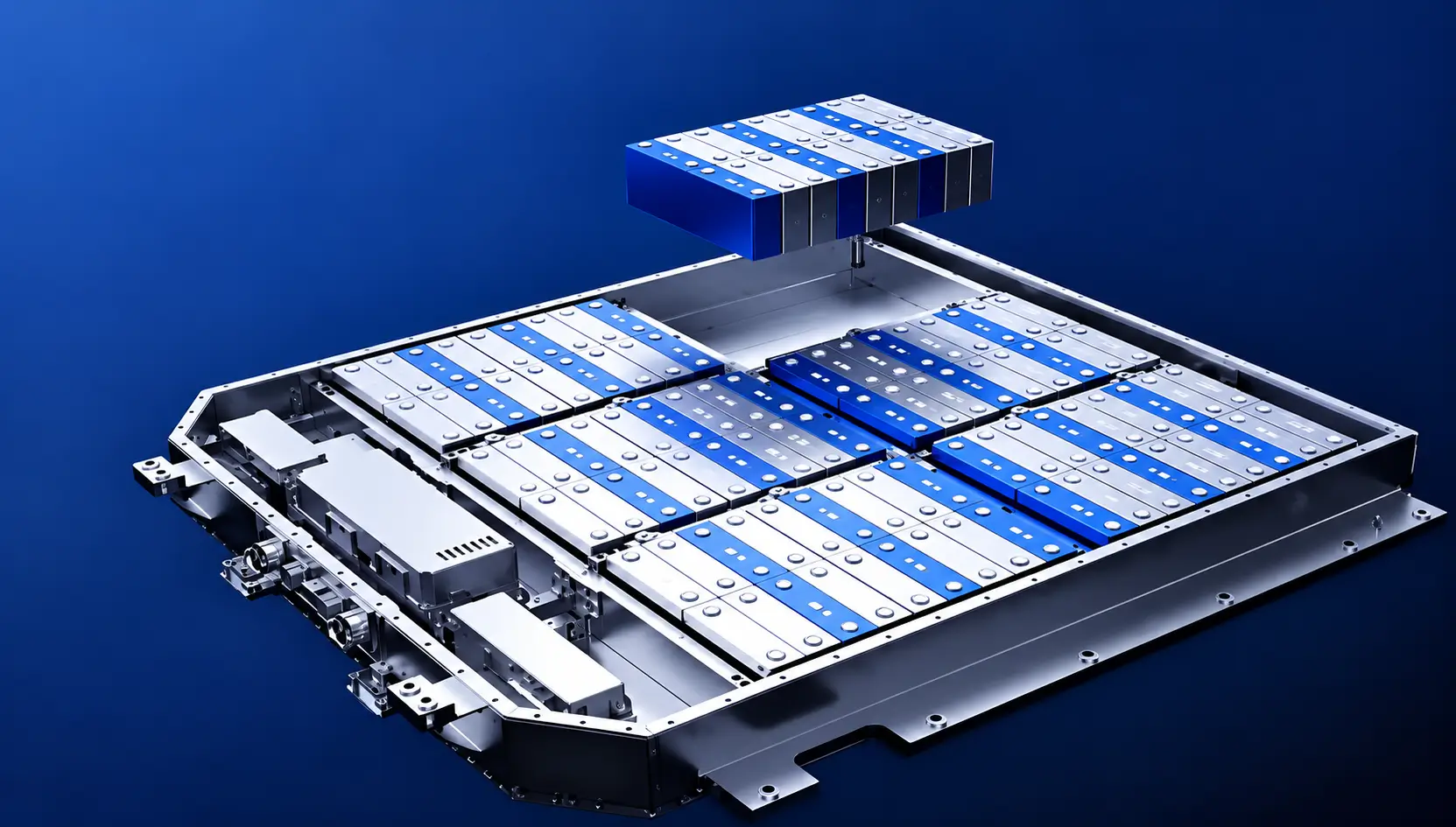
CATL’s strategy is not to simply replace lithium-ion but to create a complementary “mixed” battery solution. The company has introduced AB battery technology, which integrates a sodium-ion battery with a lithium-ion battery in a single pack. In this configuration, the sodium-ion cell handles the bulk of daily driving and low-temperature performance, while the lithium-ion cell provides the high-energy density needed for long-range trips and rapid acceleration. This hybrid approach allows for a more efficient use of resources and optimizes the strengths of both chemistries. The first vehicles to feature this mixed battery pack are expected from Chinese automakers, with reports suggesting that a major domestic brand will launch a model with a CATL sodium-ion battery in the near future, offering a range of around 300 kilometers (186 miles) on the sodium portion alone.
The impact on the energy storage market could be even more transformative than on electric vehicles. For stationary storage—the massive banks of batteries needed to store solar and wind power for use when the sun doesn’t shine and the wind doesn’t blow—energy density is less critical than cost, safety, and cycle life. Sodium-ion batteries excel in these areas, offering thousands of charge-discharge cycles and a lower levelized cost of storage. This makes them ideal for utility-scale projects, potentially unlocking a massive wave of investment in renewable energy infrastructure. By providing a cheap, safe, and abundant way to store electricity, CATL’s salt batteries could solve the intermittency problem that has long plagued renewables, making a fully decarbonized grid a practical reality.
Geopolitically, the rise of sodium-ion batteries presents a strategic challenge to China’s own dominance in lithium processing and to the broader global reliance on a lithium-centric supply chain. While CATL is a Chinese company, the technology it is pioneering could reduce the world’s dependence on any single region for battery materials. Countries with vast salt reserves or robust chemical industries could become new players in the battery market. For the United States and Europe, which are racing to build domestic battery supply chains, sodium-ion technology offers a pathway to leapfrog lithium-ion and avoid the environmental and social pitfalls of mining. It could also weaken the pricing power of lithium producers, potentially leading to a more stable and affordable battery market globally.
However, challenges remain. The lower energy density of current sodium-ion batteries means they will not power long-range luxury electric vehicles or electric airplanes in the near term. The manufacturing ecosystem for sodium-ion batteries is still in its infancy, and scaling production to the terawatt-hour level will require massive investment and time. There are also questions about the long-term cycle life and the development of a robust recycling industry for sodium-based chemistries. Yet, given CATL’s manufacturing might and its track record of driving down costs through scale, these obstacles appear surmountable. The company has already announced plans to build a dedicated sodium-ion battery production line, with capacity ramping up to hundreds of gigawatt-hours per year.