
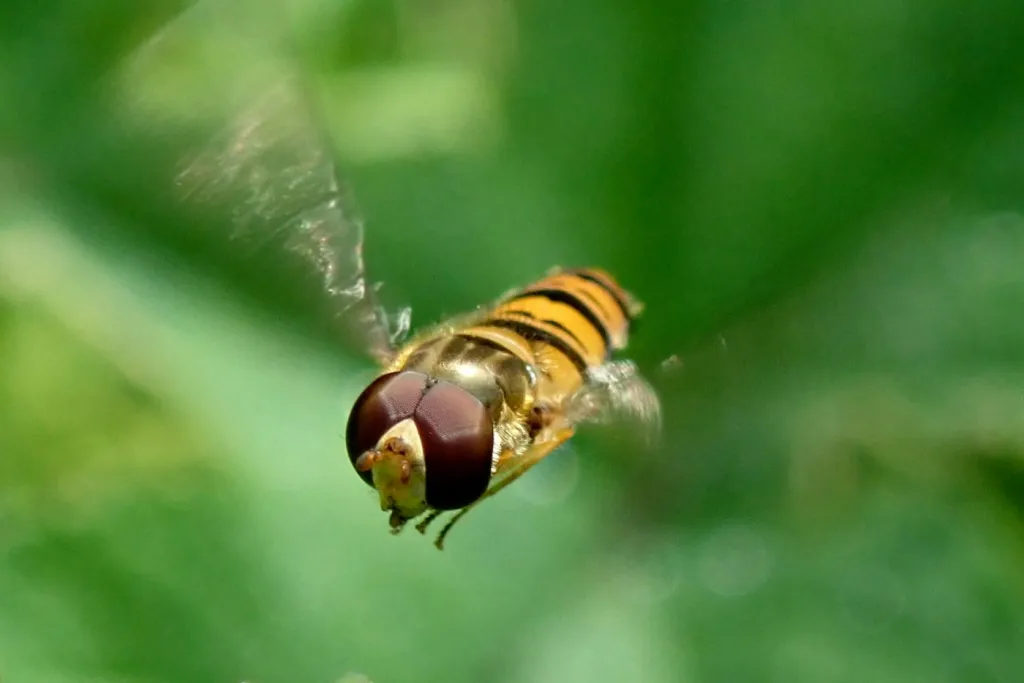
When humanity contemplates the guardians of ecological stability, our minds instinctively turn to iconic species: apex predators like wolves, keystone mammals like elephants, or charismatic pollinators like honeybees. Yet, the true heavy lifting of planetary homeostasis occurs out of sight, managed by an immense, hyper-diverse assemblage of insects. Among these, hoverflies (Syrphidae), beetles (Coleoptera), and moths (Lepidoptera) form an ecological triumvirate whose contributions span pollination, nutrient recycling, soil aeration, predation, and trophic web support.
Understanding the functional ecology of these three groups reveals a complex web of life where the loss of even a single guild can trigger cascading failures across terrestrial biomes.
Comparative Overview: Functional Roles at a Glance
| Insect Group | Primary Trophic Role | Secondary Ecological Services | Major Environmental Threats |
| Hoverflies (Syrphidae) | Generalist Pollinators | Aphid Predation (Larval stage), Bio-indicators | Agricultural intensification, synthetic insecticides |
| Beetles (Coleoptera) | Decomposers & Detritivores | Soil Aeration, Seed Dispersal, Apex Predation | Habitat fragmentation, soil compaction, artificial lighting |
| Moths (Lepidoptera) | Nocturnal Pollinators | Trophic Base (Caterpillar protein for vertebrates) | Artificial Light at Night (ALAN), monoculture farming, habitat loss |
1. Hoverflies (Family Syrphidae): The Deceptive Pollinators and Natural Pest Controllers
Hoverflies, often mistaken for bees or wasps due to their striking Batesian mimicry, belong to the family Syrphidae. While their adult appearance and behavior make them master illusionists, their ecological portfolio is remarkably dual-faceted: adults are elite pollinators, while many larvae are voracious predators of agricultural pests.
Pollination Dynamics
Hoverflies are among the most important visitors to flowering plants globally, second only to bees in pollination frequency and efficiency in many temperate and alpine ecosystems. Because they lack the specialized pollen-carrying structures (corbiculae) of honeybees, pollen grains cling haphazardly to their hairy bodies, making them exceptionally effective at transferring pollen between disparate plant individuals.
-
Thermal Regulation: Unlike many insects, hoverflies can shiver to warm their flight muscles, allowing them to forage in cooler weather, early mornings, and high-altitude zones where bees are inactive.
-
Floral Specialization: While many are generalists visiting open-structured flowers (such as Apiaceae and Asteraceae), some species exhibit specialized mouthparts designed for tubular blossoms, driving co-evolutionary adaptations in plant morphology.
The Larval Paradox: Natural Biological Control
The life cycle of the hoverfly showcases a fascinating ecological shift. While adults subsist entirely on nectar and pollen, a large percentage of hoverfly larvae (such as those in the subfamily Syrphinae) are strict carnivores.
-
Aphidophagy: A single female hoverfly can lay hundreds of eggs directly onto aphid colonies. Upon hatching, the legless, maggot-like larvae scour plant stems, impaling aphids on mouthhooks and draining their fluids.
-
Agricultural Resilience: A single syrphid larva can consume hundreds of aphids during its development, providing vital top-down regulation of pest populations. This natural pest control reduces the need for synthetic chemical interventions, safeguarding broader food webs from agrochemical runoff.
2. Beetles (Order Coleoptera): The Terrestrial Workhorses
Comprising roughly 40% of all known insect species, Coleoptera (beetles) represent the most diverse animal order on Earth. Their evolutionary success stems from their hardened forewings (elytra), which protect their membranous hindwings and abdomen, allowing them to colonize virtually every terrestrial and freshwater niche imaginable.
Decomposition and Nutrient Cycling
Without beetles, terrestrial ecosystems would literally choke beneath mountains of unmanaged organic waste. They are nature’s premier recycling crew, categorized primarily into three functional guilds:
-
Dung Beetles (Scarabaeidae): By burying, consuming, and rolling mammalian dung, these insects accelerate the breakdown of organic matter, return nitrogen and phosphorus to the soil, suppress populations of pestiferous flies, and prevent pasture fouling. Their subterranean tunneling simultaneously incorporates organic matter deep into the soil profile.
-
Carrion Beetles (Silphidae): These specialists locate decaying vertebrate carcasses within hours of death. By burying small carcasses and coating them with antimicrobial secretions, they retard putrefaction, securing a food source for their developing larvae while recycling critical nutrients.
-
Wood-Boring Beetles (Cerambycidae, Buprestidae, etc.): Often vilified in forestry, wood-borers and saproxylic beetles are the primary initiators of deadwood decomposition. By tunneling through fallen timber and stressed trees, they break down recalcitrant lignin and cellulose, creating micro-habitats for fungi, bacteria, and secondary cavity-nesting organisms.
Soil Engineering and Bioturbation
Many beetles spend significant portions of their life cycles underground. As larvae or adults burrowing through soil, they engage in bioturbation—churning and mixing soil layers. This activity:
-
Enhances soil porosity and water infiltration rates.
-
Breaks up compacted layers, facilitating root elongation.
-
Transports organic detritus from the surface to subterranean horizons, feeding the complex microbial web beneath our feet.
3. Moths (Order Lepidoptera): The Nocturnal Navigators and Trophic Connectors
While butterflies capture the public imagination with their diurnal vibrancy, moths account for the vast majority of the order Lepidoptera (comprising roughly 90% of all species). Operating primarily under the cover of darkness, moths play critical ecological roles that day-active insects cannot replicate.
The Night-Shift Pollinators
For decades, pollination ecology focused almost exclusively on daytime visitors. Modern research, however, underscores the profound importance of nocturnal pollination networks.
-
Sphingidae (Hawk/Sphinx Moths): These powerful flyers possess extraordinarily long probosces, allowing them to pollinate deep-throated, night-blooming flowers (such as evening primrose, honeysuckle, and certain orchids) that are inaccessible to bees and butterflies.
-
Catering to the Night: Nocturnal flowers typically emit heavy, sweet fragrances after dusk and feature pale or white coloration to reflect moonlight. Moths navigate these olfactory and visual cues across vast distances, facilitating the reproduction of countless wild plant species and agricultural crops, including mangos, papayas, and various night-blooming vegetables.
The Base of the Trophic Pyramid
Perhaps the most critical ecological role of moths lies in their larval stage: the caterpillar. Caterpillars are the ultimate biological converters, transforming fibrous plant matter into concentrated, high-protein biomass.
-
Vertebrate Diets: They serve as the foundational dietary staple for countless insectivorous birds, bats, amphibians, and small mammals. During the avian breeding season, the timing of caterpillar emergence synchronization is often the single most deterministic factor in fledgling survival rates.
-
Parasitoid Hosts: Moth larvae also support diverse communities of parasitoid wasps and flies, anchoring complex multi-trophic parasitoid food webs that regulate primary and secondary consumer populations.
Synergies and Ecosystem Resilience
These three insect groups do not operate in isolation; their functional roles interlock to form resilient, self-sustaining ecosystems.
[Plant Communities] ---> Provide Nectar/Pollen ---> [Hoverflies & Moths]
        ^                                                    |
        | (Nutrient Recycling & Soil Aeration)               v
        +-------------------------------------------- [Beetles & Larvae]
-
The Temporal Continuum: While diurnal hoverflies and butterflies manage daytime pollination, moths maintain the continuity of pollination throughout the night. This 24-hour pollination cycle maximizes plant reproductive success and genetic diversity.
-
Top-Down and Bottom-Up Balance: Hoverfly larvae exert top-down pressure on herbivorous insects (aphids), while adult hoverflies and moths act as prey items for higher trophic levels. Simultaneously, beetles manage the bottom-up decomposition pathway, ensuring that dead organic matter is constantly converted back into bioavailable nutrients for the flora that supports these insects in the first place.
Conservation Challenges and the Imperative for Protection
Despite their monumental ecological contributions, hoverflies, beetles, and moths face unprecedented anthropogenic pressures.
-
Artificial Light at Night (ALAN): Moths are notoriously disoriented by streetlights, porch lights, and industrial illumination. ALAN disrupts their navigation, exhausts their energy reserves, increases their vulnerability to nocturnal predators, and severely interferes with night-time pollination corridors.
-
Chemical Intensification: Broad-spectrum insecticides, systemic neonicotinoids, and intensive herbicide use decimate non-target insect populations. While insecticides kill pollinators and predatory hoverfly larvae directly, herbicides eradicate the wild host plants necessary for moth and butterfly larval development.
-
Habitat Fragmentation: Intensive agriculture and urban sprawl break continuous landscapes into isolated islands, preventing mobile species from colonizing new patches and reducing genetic interchange.
Pathways to Ecological Restoration
Safeguarding these foundational insects requires targeted conservation shifts:
-
Dark Sky Initiatives: Implementing shielded, motion-activated, or amber-spectrum lighting in rural and suburban areas to minimize the disruptive impact of light pollution on nocturnal moths.
-
Floral Diversity and Hedgerows: Maintaining strips of native, unsprayed wildflowers adjacent to agricultural fields provides continuous nectar sources for adult hoverflies and moths, while harboring overwintering habitat for beneficial beetles.
-
Reducing Chemical Dependency: Transitioning toward integrated pest management (IPM) strategies that harness natural predators—like syrphid larvae and ground beetles—rather than relying on chemical eradication.