While the daytime world relies heavily on bees, butterflies, and birds to carry out the essential task of pollination, a dramatic transformation takes place under the cover of darkness. As the sun sets, night pollinators step into the spotlight, driving ecological processes that sustain diverse ecosystems and human livelihoods alike. Among these nocturnal creatures, bats (chiropterophilous pollinators) and hawkmoths (sphingophilous pollinators) are paramount. In tropical and subtropical regions—especially across South Asia and parts of Southeast Asia—these night visitors form complex, ancient symbiotic relationships with iconic trees and plants such as mahua (Madhuca longifolia), semal (Bombax ceiba), and wild and cultivated bananas (Musa species). Understanding the intricate roles of bats and hawkmoths reveals how deeply interconnected nocturnal biodiversity is with agriculture, forestry, and cultural heritage.
Nocturnal Pollination: Evolution and Ecological Mechanics
Night pollination is a specialized evolutionary strategy developed to optimize reproduction while minimizing competition and water loss. Flowers that open exclusively at night—a trait known as vespertine blooming—have evolved specific syndromes of color, structure, and scent designed to attract nocturnal animal vectors.
-
Chiropterophilous adaptation: Flowers adapted for bat pollination are typically large, sturdy, bell-shaped or bowl-shaped, and produce vast amounts of dilute nectar. They are often pale, cream, or dull green in color and emit strong, musky, fermented, or sulfurous aromas that travel long distances through humid night air.
-
Sphingophilous adaptation: Hawkmoth-pollinated flowers are generally tubular, deep-throated, white or pale yellow, and radiate intensely sweet floral scents after dusk.
Both bats and hawkmoths possess incredible physical capabilities for night navigation and feeding. Fruit bats and nectar-feeding bats rely on visual acuity, keen olfaction, and in some species, echolocation to locate blooming canopies. Hawkmoths (family Sphingidae) possess remarkably long proboscises—sometimes exceeding the length of their own bodies—and extraordinary hovering capabilities powered by rapid wing beats. Together, these nocturnal animals facilitate cross-pollination over wide geographic distances, promoting genetic diversity within plant populations that daytime pollinators rarely reach.
The Mahua Tree (Madhuca longifolia) and Its Night Guardians
The mahua tree (Madhuca longifolia) is one of the most culturally and economically vital trees of the Indian subcontinent. Deeply woven into indigenous traditions, local economies, and forest ecosystems, mahua provides sweet edible flowers, seed oils, timber, and traditional medicine. The ecological survival and genetic vigor of mahua depend significantly on nocturnal visitors.
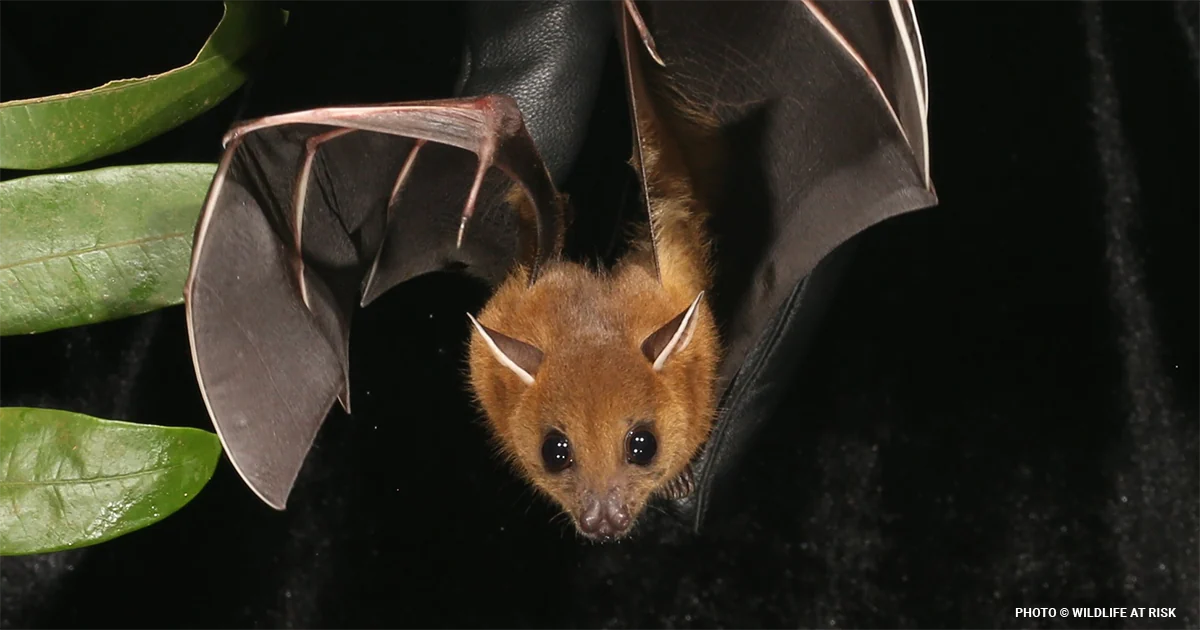
During the late spring blooming season, mahua trees drop their sweet, fleshy corollas, transforming the forest floor into a scented carpet. However, high up in the canopy, mahua blossoms open primarily at night, releasing a distinct, fermented fragrance. Nectar-feeding fruit bats, such as the Indian flying fox (Pteropus medius) and the short-nosed fruit bat (Cynopterus sphinx), are drawn to the rich food source. As bats land on or maneuver through the dense terminal clusters of flowers to feed on nectar, their furry faces, forearms, and undersides brush against the stamens, collecting dense coatings of pollen.
Simultaneously, large hawkmoths hover gracefully around mahua flower clusters, unfurling long proboscises to drink from nectar reservoirs deep inside the blooms. As hawkmoths dart from tree to tree, they act as high-speed vectors for cross-pollination. The collaborative activity of bats and hawkmoths ensures high rates of fertilization, leading to abundant fruit set. Without these nocturnal pollinators, mahua regeneration would experience severe declines, directly impacting forest ecosystems and the rural communities that rely on mahua collection for their livelihoods.
The Semal Tree (Bombax ceiba) and Nocturnal Biodiversity
The semal tree (Bombax ceiba), commonly known as the red silk cotton tree, is a majestic deciduous giant recognizable by its thorny trunk and striking red spring blossoms. While semal flowers attract numerous daytime birds and insects, a crucial part of its reproductive cycle occurs during the night hours, when nocturnal pollinators dominate the canopy.
Semal flowers are robust, thick-petaled, and cup-shaped, capable of producing copiousness amounts of nectar. At dusk, as diurnal birds return to their roosts, nectar-seeking bats visit semal canopies in large numbers. The wide opening of the semal flower easily accommodates a bat’s head and body. As bats push inside to sip nectar, pollen grains cling securely to their fur. Because bats fly long distances between isolated trees across fragmented landscapes, bats serve as vital long-distance gene dispersers for semal populations, preventing localized inbreeding.
Hawkmoths also play a key supplementary role in semal pollination. Attracted by the flower’s abundant nectar and wide floral display, hawkmoths hover at the margins of the blooms, transferring pollen efficiently between neighboring branches and individual trees. The heavy fruit pods that subsequently develop produce fine silk-cotton fiber and seeds that sustain local wildlife. Thus, the nocturnal partnership between semal, bats, and hawkmoths anchors forest biodiversity and structural resilience.
Banana Plants (Musa spp.) and Nocturnal Synergy
The genus Musa, encompassing wild banana species and cultivated cultivars, exhibits a classic evolutionary relationship with nocturnal pollinators, particularly bats. In wild banana species across South and Southeast Asia, inflorescences feature large, leathery purple or reddish bracts that lift open at night, exposing rows of tubular flowers dripping with nectar.
-
Bat Mutualism: Cave-dwelling nectar bats (such as Eonycteris spelaea) and fruit bats actively seek out wild banana blossoms. The structural strength of the banana inflorescence allows bats to cling directly onto the bracts. As they lap up nectar, pollen coats their heads and necks. Wild bananas depend almost exclusively on nectar bats for seed production and genetic diversity, which is vital for maintaining disease-free wild stock.
-
Hawkmoth Contribution: In addition to bats, hawkmoths regularly visit wild and semi-wild banana inflorescences. Their precise hovering technique allows them to reach nectar pockets within individual flower tubes, transferring fine pollen grains without damaging delicate floral structures.
Even in agricultural landscapes, proximity to natural forests where bats and hawkmoths thrive enhances ecosystem stability. Preserving wild banana species and their nocturnal pollinators is essential for agricultural research, as wild varieties harbor critical genetic resistance against devastating crop diseases.
Conservation Challenges and Ecological Significance
Despite their essential ecological roles, bats and hawkmoths face severe environmental threats. Habitat loss, deforestation, light pollution, pesticide overuse, and climate change disrupt their roosting, feeding, and migratory patterns.
-
Light Pollution: Artificial night lighting disorients hawkmoths and alters bat foraging behaviors, disrupting ancient pollination mutualisms.
-
Habitat Destruction: The loss of old-growth trees reduces natural roosting sites for fruit bats and destroys breeding micro-habitats for hawkmoth larvae.
-
Misconceptions: Bats frequently suffer from negative public perception and eradication efforts, despite providing millions of dollars in free ecological services through pollination, seed dispersal, and insect pest control.
Protecting these nocturnal creatures requires holistic conservation efforts. Establishing protected forest corridors, reducing night-time light pollution near natural habitats, limiting synthetic pesticide application, and promoting public awareness regarding the ecological value of bats and hawkmoths are critical steps.