
May 5, 2026
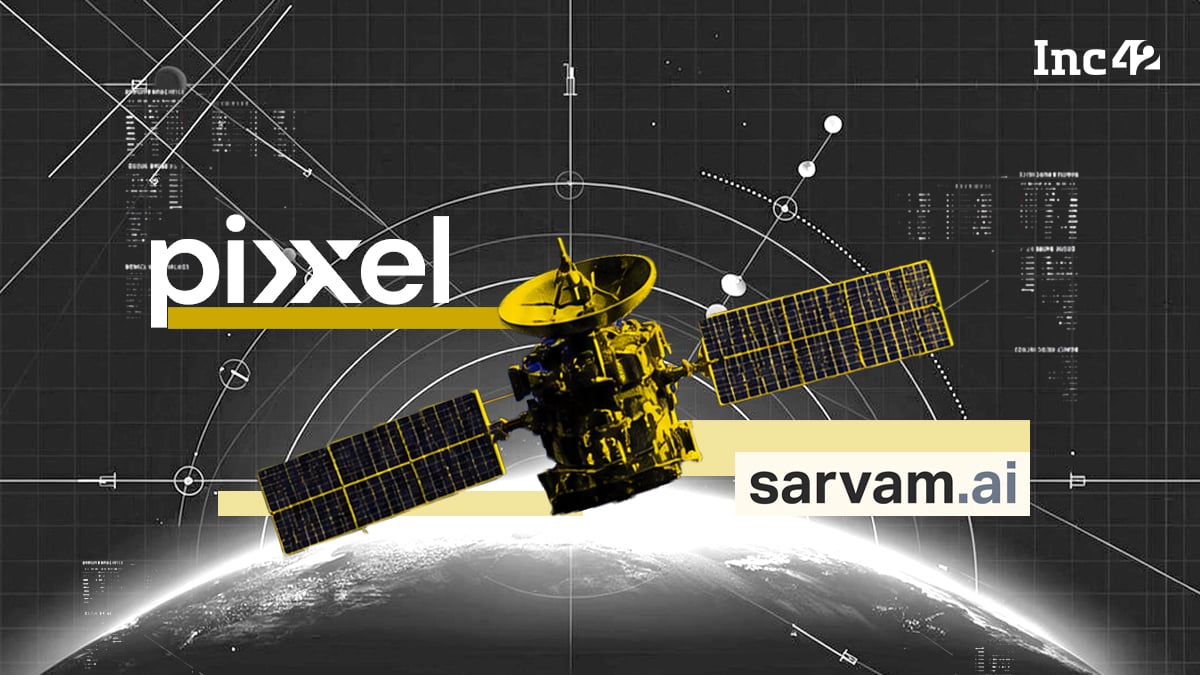
The global space-tech landscape witnessed a transformative leap as the Indian planetary intelligence firm Pixxel announced a strategic pivot into orbital data centers. This move, formalized through a partnership with Sarvam AI, aims to revolutionize geospatial intelligence by shifting high-performance computing from ground-based facilities directly into Low Earth Orbit (LEO). This initiative is centered on the upcoming launch of the Pathfinder satellite, a 200 kg-class demonstrator scheduled to reach orbit by Q4 2026.
The core innovation behind Pixxel’s new venture is the integration of datacenter-grade GPUs into satellite architecture. Traditionally, satellites have relied on low-power edge processors designed for radiation survival rather than raw performance. By hosting the same generation of hardware used in terrestrial AI training, Pixxel’s Pathfinder will be capable of on-board AI inference and training. This allows the satellite to process complex hyperspectral data in real-time, effectively functioning as a “thinking” entity rather than a simple data collection tool.
Solving the Data Bottleneck
One of the primary challenges in modern Earth observation is the sheer volume of data generated by hyperspectral sensors, which capture information across hundreds of narrow wavelengths. Transmitting this “raw” data to ground stations creates a significant latency bottleneck and incurs massive downlink costs. By deploying orbital data centers, Pixxel can analyze data at the source, identifying specific patterns, detecting environmental changes, or flagging illegal mining activities instantaneously. Instead of gigabytes of imagery, the satellite only needs to transmit the actionable insights or “conclusions,” significantly accelerating the decision-making cycle for commercial and government clients.
Sustainability and Sovereignty
The push for space-based computing is also driven by the increasing environmental and regulatory constraints facing terrestrial data centers, which consume vast amounts of land and energy. Pixxel CEO Awais Ahmed highlighted that orbital data centers leverage abundant solar energy available in space, offering a more sustainable and scalable alternative to ground-based infrastructure. Furthermore, the partnership with Sarvam AI emphasizes technological sovereignty. The use of India-built full-stack language models and AI platforms ensures that critical intelligence processing remains independent of foreign cloud providers, securing the data pipeline for sensitive strategic applications.
Future Outlook and Scaling
The Pathfinder mission serves as a critical testbed for thermal management, power distribution, and real-time data workflows in the harsh environment of space. Success in this mission will pave the way for a larger constellation of data-center satellites. Pixxel is currently scaling its manufacturing capabilities at the Gigapixxel facility, designed to produce up to 100 satellites per year. As other domestic players like Agnikul Cosmos and international giants like SpaceX explore similar concepts, Pixxel’s move positions India at the forefront of the orbital edge computing race, promising a future where space-based intelligence is delivered in seconds rather than days.