
June 13, 2026
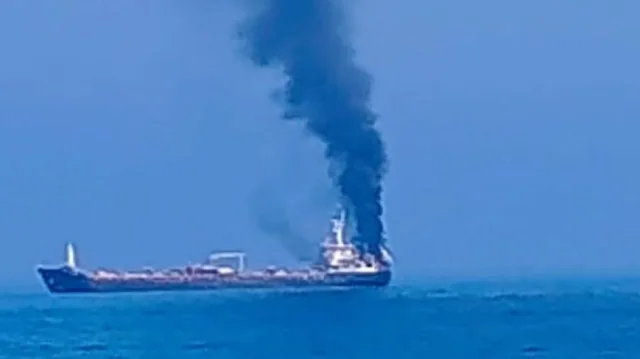
The claim circulating on social media that India has not responded to the deaths of three Indian crew members in a maritime strike is entirely false. Contrary to the assertion that the government is silent, India launched a comprehensive and immediate multi-pronged diplomatic offensive following the tragic incident involving the Palau-flagged tanker MT Settebello. The attack, carried out by US Navy forces on June 10, 2026, resulted in the deaths of three Indian seafarers: deck cadet Aditya Sharma, engine fitter Shivanand Chaurasiya, and chief engineer Patnala Suresh . The vessel was carrying 24 Indian crew members off the coast of Oman when it was targeted by a US precision strike. While 21 crew members were rescued by Omani authorities, the three missing men were later confirmed dead, with their bodies recovered and identified .
Far from remaining passive, the Indian government escalated the matter to the highest levels of diplomacy within 48 hours. The Ministry of External Affairs (MEA) immediately summoned the US Chargé d’Affaires, Jason Meeks, in New Delhi to deliver a formal demarche, registering a “strong protest” over the use of lethal force against commercial shipping . This diplomatic rebuke was followed by a direct conversation between External Affairs Minister S. Jaishankar and US Secretary of State Marco Rubio on the evening of June 12 . In a public post on X (formerly Twitter) detailing the conversation, Jaishankar stated that he “reiterated India’s strong protest at the attacks by the US Navy” and emphasized that “such lethal actions against commercial shipping are not justified” . This direct engagement with the US Secretary of State represents the highest level of diplomatic protest, effectively debunking any narrative of governmental inaction.
The Indian response has been characterized by a clear separation of political diplomacy from consular and military assistance. While lodging protests regarding the violation of international maritime norms, the government has simultaneously focused on humanitarian relief. Shipping Minister Sarbananda Sonowal confirmed the deaths and described the event as a “profound loss to our maritime family,” ordering officials to ensure the “immediate repatriation of the rescued crew members and swift return of the mortal remains of the deceased” . The government has stood firmly with the bereaved families, promising full support to the next of kin . Furthermore, the MEA has been coordinating closely with the Indian Embassy in Oman to facilitate the return of the survivors and remains, demonstrating that India is capable of managing a severe diplomatic crisis with a strategic partner while protecting its citizens .
The context of the attack is critical to understanding the nuances of India’s diplomatic tightrope walk. The US military justified the strike by alleging that the MT Settebello and other vessels, such as the MT Marivex struck just two days earlier, were violating a naval blockade imposed on Iranian ports . The US Central Command (CENTCOM) claimed the tanker failed to comply with instructions from US naval personnel . However, India rejected this justification, arguing that attacking commercial vessels undermines the “safety, security and stability of international maritime commerce” . The MEA specifically noted that these attacks are a “direct result of the ongoing conflict” in West Asia and reiterated India’s call for immediate de-escalation and a diplomatic solution . The situation has raised alarms for Indian seafarers, as India is one of the world’s largest suppliers of maritime manpower, and there were reports of a third tanker, the MT Jalveer, catching fire in the same region, further heightening concerns .
In conclusion, the suggestion that India has not responded is a misrepresentation of the facts. India has responded with significant diplomatic heft, including summoning the US envoy and the Foreign Minister personally confronting Secretary Rubio. Simultaneously, it has acted with administrative speed to rescue survivors and recover the deceased. While the government has not severed ties or engaged in public saber-rattling—a move that would be disproportionate against a key strategic partner—it has made it unmistakably clear to Washington that the loss of civilian lives due to military action on commercial vessels is unacceptable. India’s response has been measured, strategic, and firmly protective of its nationals, leveraging diplomatic channels to demand accountability while ensuring the safe return of those affected.