
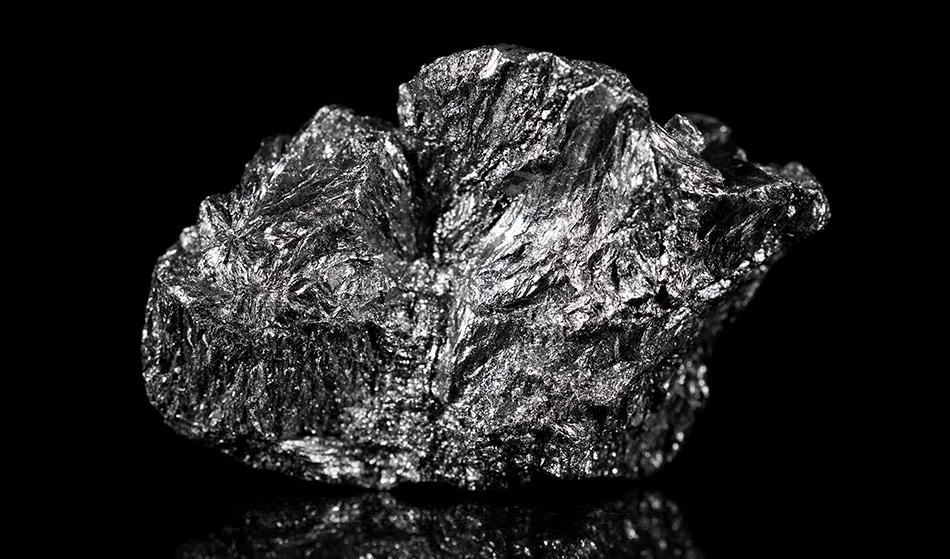
In a significant breakthrough that could reshape the economics of clean energy, scientists have discovered a method to produce cleaner hydrogen that yields high-quality graphite as a valuable second product, transforming what was once considered a waste byproduct into a potential “black gold” . This discovery, emerging from separate but parallel research efforts, addresses a fundamental challenge in the energy transition by making sustainable hydrogen production more economically viable while simultaneously creating a domestic source of a critical mineral essential for electric vehicle batteries and green technologies .
The research centers on a process known as methane pyrolysis, or “turquoise” hydrogen production, which involves splitting methane into hydrogen gas and solid carbon . Unlike the dominant method of steam methane reforming, which produces significant carbon dioxide emissions, the pyrolysis process avoids the direct production of this greenhouse gas . However, a major obstacle to scaling this technology has been the immense amount of heat required to break the strong chemical bonds in methane, leading to energy inefficiency, as well as the low value of the amorphous carbon typically produced . Researchers have now overcome this challenge, and in doing so, have produced an unexpected and valuable material .
In one key study published in the journal Science, a team from Stanford University focused on solving the heat supply problem by heating the reactor from within . They placed a burner inside the reactor and selectively combusted a portion of the hydrogen produced to generate the necessary heat internally . Because hydrogen combustion mainly produces water, this “autothermal” approach avoids direct carbon emissions from the heating step and achieved roughly a tenfold improvement in efficiency compared with conventional external heating . The solid carbon left behind was no longer a problematic waste, but the researchers were surprised to find it showed a high degree of graphitisation, meaning it had developed characteristics associated with high-quality graphite . Graphite is a critical material used in batteries for electric vehicles, electrodes, and other high-tech applications .
Meanwhile, a team at the University of Pittsburgh Swanson School of Engineering made a similar discovery while researching a cleaner way to produce ethylene . PhD candidate Aime Laurent Twizerimana was pumping ethane through molten metal when the carbon byproduct appeared “fluffy” and turned out to be high-quality graphite . This process, which operates at temperatures below 1,000 degrees Celsius, is a dramatic departure from current graphite production methods that require heating petroleum coke to a staggering 3,000 degrees Celsius in a slow, weeks-long batch process that is heavily reliant on China, which controls about 95% of the global supply . The ability to produce battery-quality graphite domestically is strategically important for countries like the United States and members of the EU seeking to secure supply chains for clean energy technologies .
The discovery is a powerful example of how solving one technical challenge can lead to an unexpected and lucrative result . The co-production of valuable graphite effectively creates two revenue streams from a single process, making “turquoise” hydrogen significantly more economically competitive . This dual-revenue model is a key factor in the commercial viability of the technology . For instance, Hycamite, a Finnish company, has built Europe’s largest methane-splitting factory based on this principle, producing hydrogen and carbon that can be tailored for the battery industry, and its graphitic carbon has received the EU’s Critical Raw Materials Act status . Similarly, the Hazer Process in Australia is demonstrating the commercial potential, producing up to 100,000 kg of hydrogen and 340,000 kg of high-purity graphite annually .
However, challenges remain before the process can be fully commercialized. The graphite produced through these new methods is not yet pure enough for some demanding applications, including certain uses in batteries . Further research is needed to refine the material and ensure it can consistently meet stringent industrial standards . In addition, while the technology shows immense promise, scaling it up to the commercial level has historically proved challenging . Nevertheless, the unexpected creation of high-quality graphite from what was supposed to be a waste product marks a significant milestone for the hydrogen economy . It solves a crucial economic dilemma by turning a cost center into a profit center and offers a pathway to a cleaner, more circular, and more secure energy future .