June 3, 2026
Impulse Space, a leader in the burgeoning field of in-space mobility, officially announced it has successfully closed a monumental $500 million Series D funding round. This massive capital injection, which catapults the company’s total raised capital to over $1 billion, arrives at a critical inflection point for the space industry, as investors increasingly look beyond the launchpad to the logistics of orbit itself. The funding round, which values the Redondo Beach, California-based startup at a staggering $4.26 billion, was co-led by 137 Ventures and Banner VC, with significant participation from existing heavy-hitters like Peter Thiel’s Founders Fund, as well as Lux Capital and Linse Capital.
At the helm of Impulse Space is Tom Mueller, the legendary propulsion engineer who was notably SpaceX’s first employee and the mastermind behind the Merlin and Raptor engines that power the Falcon 9 and Starship rockets. Mueller’s engineering pedigree has been a cornerstone of investor confidence, positioning Impulse as a prime player in the next phase of the commercial space economy. The company argues that while the challenge of getting rockets off the ground has effectively been “solved,” the next great hurdle is navigating space once there. “Launch has pretty much been solved,” Mueller stated, articulating his company’s core mission. “The challenge now is getting everywhere else beyond low Earth orbit”.
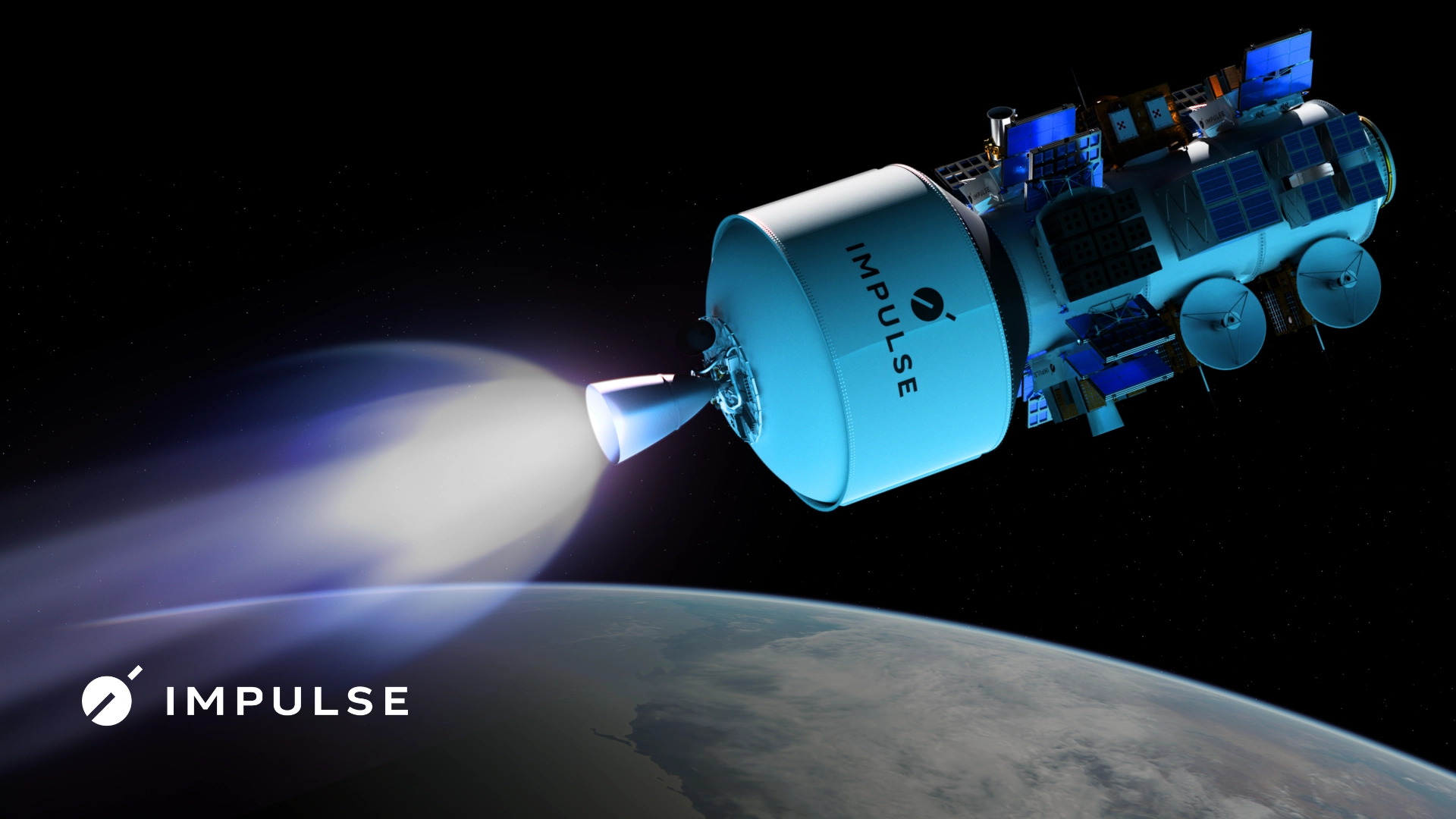
The fresh capital will be used to aggressively scale operations and meet surging demand for what are colloquially known as “space tugs”—vehicles designed to move satellites and other payloads to precise orbits after being dropped off by a rocket. This repositioning capability is vital because it saves a satellite’s onboard fuel for its operational lifespan, effectively extending its profitability. Impulse Space is already flight-proven; its workhorse vehicle, Mira, has successfully flown three orbital missions, demonstrating its ability to deploy satellites and host payloads.
The company is now focusing heavily on its next-generation vehicle, Helios, a high-energy “kick stage” slated for its debut in 2027. Helios promises to revolutionize satellite deployment by drastically cutting transit times to high orbits, such as Geostationary Orbit (GEO). President and COO Eric Romo highlighted the economic advantage, noting that while a standard commercial launch might take 6 to 10 months to reach a final orbit, “Launch with Helios and we’ll get you there the same day”.
Beyond commercial satellite operators, a significant driver of this valuation and investor enthusiasm is the burgeoning defense sector, specifically the partnership with Anduril Industries on the Trump administration’s “Golden Dome” missile defense shield. This ambitious project requires spacecraft capable of rapid, precise orbital maneuvering to intercept ballistic missiles and hypersonic weapons—an application perfectly suited to Impulse’s propulsion technology. The funding will allow the company to put the “throttle down” on hiring, as it currently boasts 500 employees and has over 200 open positions across engineering and manufacturing. With facilities in California, Colorado, and Washington, D.C., the company is building the infrastructure for dynamic space operations, serving everyone from NASA, with its lunar ambitions, to the U.S. Space Force.