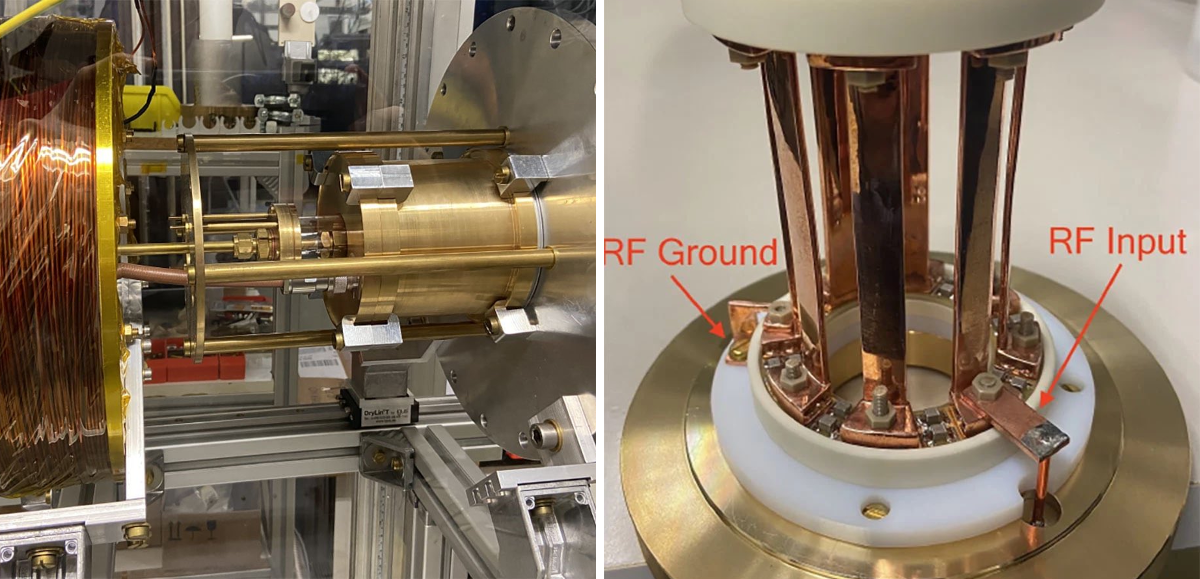
The mechanics behind the atmospheric-breathing engine rely on advanced plasma physics and high-efficiency aerodynamic intake designs. Operating at altitudes between 180 and 250 kilometers above Earth—where the atmosphere is extremely thin yet dense enough to create drag—the engine uses a specially shaped intake scoop. This intake captures sparse atmospheric molecules, primarily atomic oxygen and nitrogen, compressing them into a ionization chamber without using mechanical moving parts. Once inside, solar panels provide electric power to energize radio-frequency (RF) electromagnetic fields—such as Helicon plasma thrusters—which ionize the captured atmospheric gases into a charged plasma. Powerful magnetic or electrostatic fields then accelerate these charged ions backward out of the nozzle at extreme velocities, producing continuous forward thrust that compensates for drag forces.
The primary technical breakthrough involves overcoming the corrosive and variable nature of raw atmospheric air. Standard ion engines use inert noble gases like xenon because they do not react with or erode metal components inside the engine. However, atomic oxygen in the upper atmosphere is notoriously reactive and rapidly degrades standard internal cathode electrodes. Researchers solved this hurdle by developing contactless radio-frequency induction thrusters. Because the RF design uses electromagnetic coils outside the chamber to ignite plasma rather than direct-contact electrode grids, the system eliminates traditional mechanical wear, allowing the thruster to process harsh atmospheric mixtures continuously over long operational lifetimes without degrading.
Operating satellites in Very Low Earth Orbit offers immense advantages over higher traditional orbits. Satellites orbiting closer to Earth can capture much higher-resolution optical imagery and radar data while using significantly smaller telescope optics and cameras. Additionally, low altitude drastically reduces telecommunications latency and lowers the radio power required to transmit signals back to ground stations. By removing the burden of carrying heavy liquid or gas fuel tanks, spacecraft can be designed much smaller, lighter, and far less expensive to launch, transforming the economics of orbital constellations and environmental monitoring missions.
Beyond performance gains, atmosphere-breathing propulsion addresses the growing global concern of orbital space debris. Satellites utilizing VLEO orbits naturally experience atmospheric drag. If an air-breathing satellite reaches the end of its mission or suffers a catastrophic electronic failure, it stops generating thrust and will naturally de-orbit and burn up completely within weeks, preventing the accumulation of “space junk” in crowded Earth orbits. Furthermore, this technology is not restricted to Earth. Scientists highlight that the same engine principles can be adapted for exploration missions to Mars or Venus, enabling long-duration atmospheric probes and orbiters to skim planetary atmospheres using carbon dioxide or other local gases as fuel.