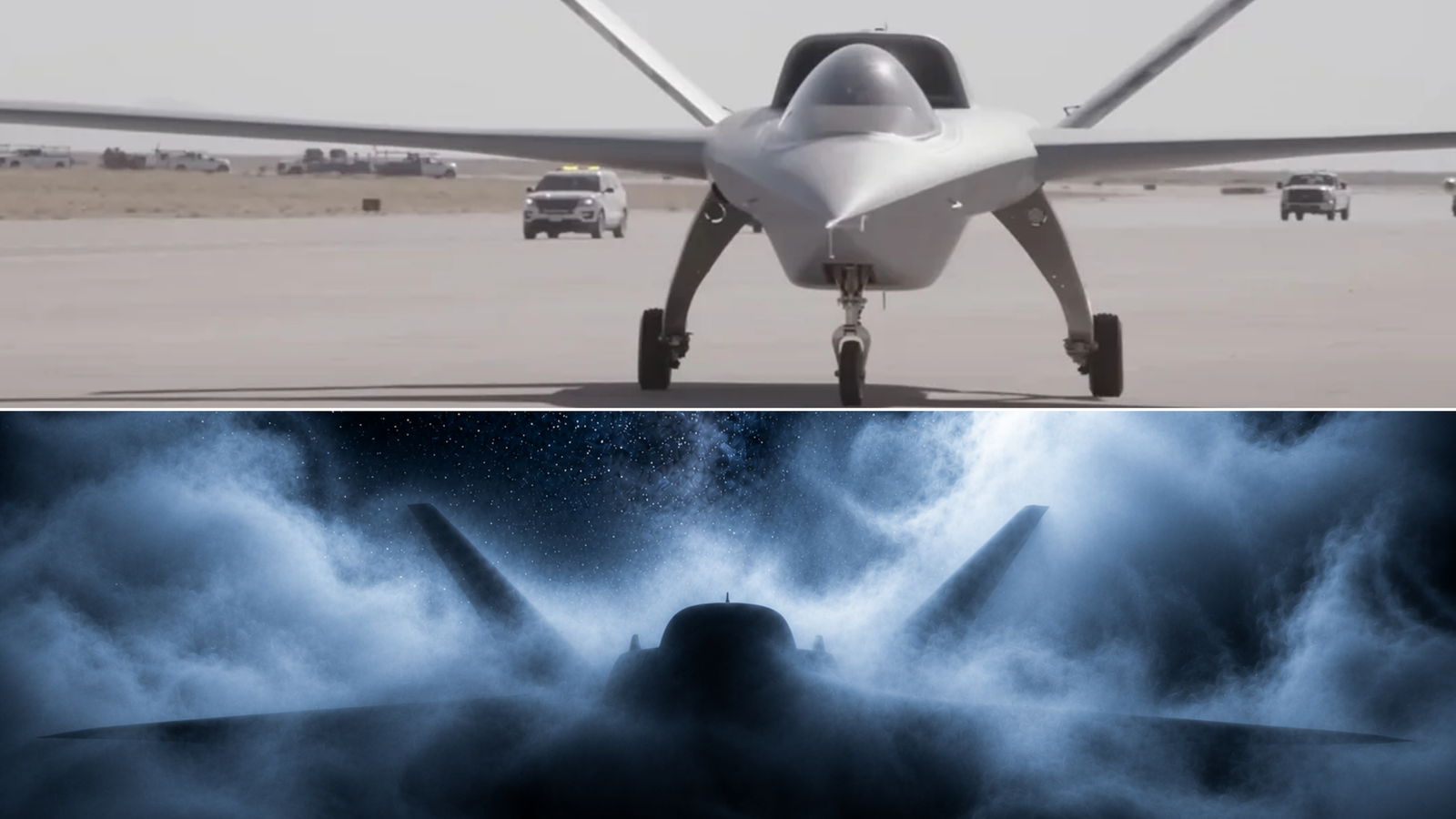
NASA has officially unveiled its newest experimental aircraft, the X-70 Fractal, marking a major milestone in the agency’s storied history of revolutionary X-planes. Announced during the UP.Summit at the Kennedy Space Center in Florida, the X-70 Fractal is designed to serve as a versatile, crewed flying laboratory. Its primary mission is to test and validate advanced flight-control technologies and unconventional aircraft maneuverability under real-world flight conditions, effectively bridging the gap between theoretical laboratory research and practical aviation application.
The philosophy behind the X-70 Fractal centers on flexibility and rapid technological evolution. Traditional experimental aircraft are frequently built from the ground up to test a single, highly specific aerodynamic concept or propulsion system. In contrast, the X-70 Fractal has been engineered from its inception with a modular design that allows researchers to rapidly reconfigure its systems and swap out experimental components. This modularity means that NASA can transition seamlessly from one complex research campaign to another using the same core vehicle, drastically reducing the time and cost typically associated with flight-testing next-generation aviation concepts.
In terms of technical performance, the X-70 Fractal is built to operate reliably across a broad and demanding envelope. The aircraft features a maximum takeoff weight of 10,000 pounds (approximately 4,536 kg) and is designed to cruise at a steady subsonic speed of Mach 0.75. It boasts an impressive service ceiling of up to 45,000 feet and an operational range exceeding 1,500 nautical miles (roughly 2,778 kilometers). These parameters ensure that the flying lab can sustain prolonged test points at high altitudes, giving flight engineers ample time to collect dense telemetry data during complex maneuvers.
One of the standout capabilities of the X-70 Fractal is its substantial experimental payload capacity of up to 2,000 pounds (907 kg). This generous weight and volume allowance gives research teams the freedom to mount specialized equipment both internally and externally. Consequently, the aircraft can serve as a multi-functional testbed for a wide variety of emerging aviation technologies. Potential test applications include advanced thrust vectoring systems—which redirect engine exhaust to dramatically enhance agility—as well as morphing wing technologies capable of altering their physical shape mid-flight to optimize efficiency across changing atmospheric conditions. Furthermore, it will accommodate advanced airflow-control mechanisms and novel avionics architectures.
The integration of a rapidly reconfigurable flight-control system is perhaps the most transformative aspect of the program. Modern flight control relies heavily on complex software and feedback loops, but testing unproven control laws in crewed flight has historically carried high programmatic risks. The X-70 Fractal provides a safe, highly responsive crewed platform to explore aircraft maneuverability in ways never before demonstrated in crewed flight. By pushing the boundaries of how aircraft handle extreme flight regimes, the data gathered will directly inform safety guidelines and control frameworks for future military and commercial aircraft.
NASA leadership has emphasized that the vehicle embodies the core spirit of innovation that defined historic predecessors like the Bell X-1, the record-shattering X-15, and the modern X-59 quiet supersonic demonstrator. While the X-70 Fractal does not target supersonic or hypersonic speeds like some of its famous relatives, its value lies entirely in its adaptability. As aviation enters a period defined by efficiency mandates, autonomous systems, and unconventional geometries, having a reliable platform to evaluate real-world aerodynamics is invaluable.
Looking ahead, NASA has set an aggressive timeline for the initiative. Ground preparations and system integrations are currently underway, and the agency expects the X-70 Fractal to complete its first official flight within the next two years. As it takes to the skies over the coming years, this unique flying laboratory is expected to accelerate the maturation of technologies that will shape the next generation of American and global aviation, ensuring that future aircraft are safer, more efficient, and vastly more maneuverable than anything currently in service.