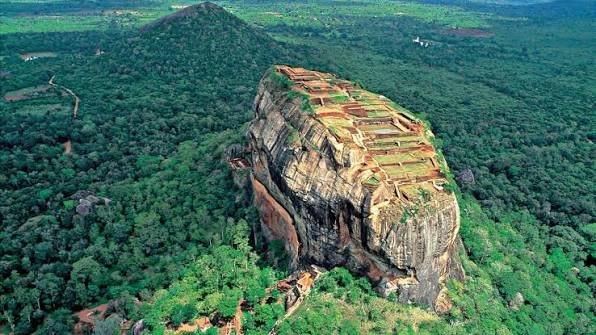
Sigiriya, often hailed as the Eighth Wonder of the World, stands as one of the most remarkable architectural and archaeological achievements of antiquity. Rising 200 meters (660 feet) above the lush central plains of Sri Lanka’s Matale District, this massive column of rock houses the magnificent ruins of an ancient royal citadel, complex hydraulic water networks, sophisticated palace grounds, and world-renowned artwork. Built during the late fifth century AD by King Kassapa I (also spelled Kashyapa), Sigiriya—derived from the Sinhala word Sihagiri, meaning Lion Rock—serves as a monumental testament to human ingenuity, artistic brilliance, and complex urban planning. Designating the complex a UNESCO World Heritage Site in 1982, global heritage experts continue to celebrate the location as one of the best-preserved urban planning sites in South Asia.
The history of Sigiriya is rooted in a dramatic fifth-century royal conflict that reshaped the island’s political landscape. King Kassapa I, who seized the throne after overthrowing and murdering his father, King Dhatusena, feared a retaliatory invasion from his half-brother, Moggallana, the rightful heir who had fled to South India. Seeking an impregnable fortress to defend his crown, Kassapa moved the royal capital from the traditional seat of power at Anuradhapura to the natural granite monolith of Sigiriya. Over his eighteen-year reign from 477 to 495 AD, Kassapa transformed the inhospitable rock into a breathtaking metropolis, complete with a sky-high royal palace, defensive moats, terraced ramparts, and lavish pleasure gardens. Following Kassapa’s ultimate defeat and death in battle against Moggallana, the site was returned to its pre-royal roots, functioning as a remote Buddhist monastery until its eventual abandonment in the 14th century.
The physical structure of Sigiriya is an extraordinary blend of natural landscape engineering and architectural grandeur. At the base of the rock lie extensive symmetrical water gardens, boulder gardens, and terraced gardens that formed the lower pleasure city. The water gardens showcase an remarkably advanced hydraulic engineering system consisting of interconnected canals, underground terracotta pipes, lakes, and gravity-fed fountains that continue to spout water during the monsoon season over 1,500 years after their construction. Ancient engineers manipulated local hydrology to create varying microclimates throughout the grounds, storing rainwater for times of drought while enhancing the aesthetic splendor of the royal court.
Ascending the monolith requires navigating intricate staircases attached directly to the vertical sheer cliff face. Halfway up the northern side of the rock sits the famous Lion Gate (Sinha-govijja), where visitors once entered the upper palace through the gaping mouth of a gigantic brick-and-plaster lion sculpture. Though only the colossal carved lion paws remain intact today, they provide a striking impression of the sheer scale and intimidating artistic vision of the original entry portal. Adjacent to the path sits the celebrated Mirror Wall, a highly polished masonry parapet once coated with a fine glaze made of porcelain, egg whites, and lime. Historical visitors over centuries carved early Sinhala poetry and commentary directly onto the surface—known as the Sigiriya Graffiti—offering modern historians invaluable insights into the literacy, language evolution, and culture of ancient Sri Lanka.
In a sheltered cliff niche halfway up the summit path lie the vibrant Sigiriya Frescoes, among the most prized surviving examples of ancient Asian art. Believed to have originally depicted over 500 figures across a vast painted band around the rock face, the 22 surviving frescoes depict celestial maidens, or Sigiriya Damsels, holding flowers and wearing intricate jewelry. Painted with natural earth pigments on wet plaster, these masterpieces display a refined style that parallels the contemporary rock paintings of the Ajanta Caves in India, exemplifying the artistic sophistication of King Kassapa’s court. Due to their delicate nature and vulnerability to light exposure, strict conservation measures now restrict direct flash photography and limit environmental exposure to preserve the fragile pigments.
At top of the 1.6-hectare summit rest the structural foundations of the Upper Royal Palace. Positioned high above the jungle canopy, the summit complex included the king’s private residence, reception halls, paved courtyards, ceremonial thrones carved directly from the living bedrock, and vast rock-cut water cisterns designed to catch and filter rain. Reaching the top rewards visitors with a stunning 360-degree panoramic vista over the dense emerald forests and surrounding mountain ranges, illustrating why Kassapa selected this vantage point for both tactical defense and royal prestige.
In contemporary times, Sigiriya has evolved from an archaeological mystery into the centerpiece of Sri Lanka’s national identity and global tourism industry. In recent developments, the Sri Lanka Tourism Development Authority (SLTDA), in collaboration with the United Nations Development Programme (UNDP) and the Global Sustainable Tourism Council, officially recognized Sigiriya as the nation’s first Certified Sustainable Tourism Destination. This initiative addresses longstanding challenges such as high seasonal foot traffic, plastic waste, and localized infrastructure stress by implementing strict capacity limits, zero-single-use-plastic mandates, and digital visitor tracking systems. Furthermore, adjacent cultural reserves like Pidurangala Rock and the Kaludiya Pokuna sanctuary are being integrated into regional itineraries to disperse visitor density and promote community-based eco-tourism.
Recent global news surrounding the ancient citadel has also focused heavily on strict conservation enforcement and boundary protection within the site’s protected buffer zones. Following intense scrutiny over unauthorized commercial structures surrounding the monument, Sri Lankan heritage authorities and the Department of Archaeology initiated comprehensive land-use audits to enforce planning regulations within the 200-yard and 400-yard protection zones. Officials reaffirmed that Sigiriya maintains its intact UNESCO World Heritage status, emphasizing that multi-agency reviews are actively safeguarding the historical cultural landscape from encroachment. Additionally, a major multi-billion-rupee infrastructure partnership supported by international conservation bodies is funding modernized visitor amenities, upgraded archaeological museum displays, and enhanced preservation facilities for the fragile frescoes and Mirror Wall.
Today, Sigiriya stands not merely as a relic of a turbulent fifth-century kingdom, but as a living bridge between past artistic genius and modern heritage conservation. Recognized globally for its welcoming hospitality and iconic natural silhouette, the rock citadel continues to captivate researchers, conservationists, and travelers from around the globe. By balancing the imperatives of ecological sustainability with the preservation of its ancient physical structures, Sri Lanka ensures that the majesty of the Lion Rock will inspire generations to come.