June 15, 2026
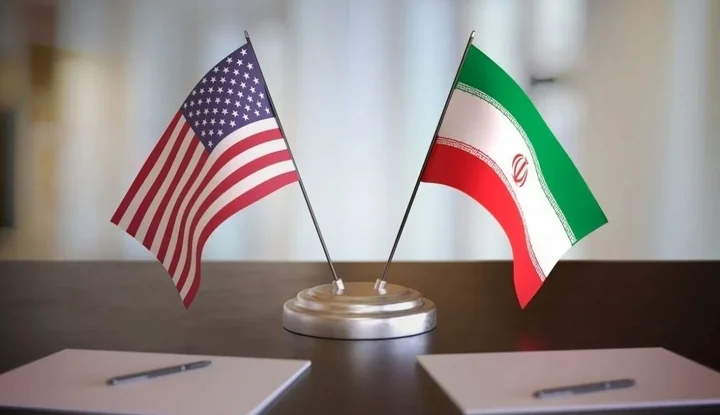
The world woke to the announcement of a historic ceasefire pact between the United States and Iran, a breakthrough agreement that appears to halt a devastating four-month war and potentially redraw the strategic map of the Middle East. The announcement, which came on U.S. President Donald Trump’s 80th birthday, was confirmed simultaneously by President Trump and Pakistani Prime Minister Shehbaz Sharif, who served as a key mediator alongside Qatar . The deal, formally titled the “Islamabad Memorandum,” is an interim memorandum of understanding rather than a final peace treaty. It is scheduled for official signing on June 19 in Switzerland, with the immediate implementation of its core tenets kicking in before the pens even touch the paper .
At the heart of the agreement lies a dual commitment to de-escalation: both sides have declared the “immediate and permanent termination of military operations on all fronts.” Critically, this includes the conflict in Lebanon, where Israel had been battling the Iranian-backed militant group Hezbollah, a key Iranian proxy . In a flurry of celebratory posts on social media, President Trump declared the strait open for business, exclaiming, “Ships of the World, start your engines. Let the oil flow!” . In tandem with the ceasefire, Trump authorized the immediate removal of the U.S. naval blockade on Iranian ports and announced the reopening of the Strait of Hormuz—a vital chokepoint through which 20% of the world’s crude oil transited before the war. The waterway is set to be “toll-free,” and officials noted that the coming days would involve essential mine removal operations to ensure safe passage .
While the cessation of hostilities marks a significant diplomatic victory, the news cycle on June 15 was dominated by the fact that the agreement is merely a pause button on the most dangerous issues. The most explosive element of the conflict—Iran’s nuclear program and its stockpile of highly enriched uranium—has been explicitly deferred to a future negotiation phase . Under the current framework, the ceasefire will hold for a 60-day period during which “technical talks” will commence regarding the fate of Iran’s nuclear ambitions, the specific terms of sanctions relief, and a potential reconstruction plan. Iranian Deputy Foreign Minister Kazem Gharibabadi confirmed that Iran’s entry into these nuclear negotiations is contingent on the U.S. fulfilling its preliminary commitments, a stipulation that highlights the deep-seated mistrust that remains between the two powers .
The economic stakes of this interim deal, however, are immediate. According to reports from Iran’s state-aligned media, the memorandum paves the way for a significant unfreezing of Iranian assets, with figures suggesting half of Iran’s $24 billion in frozen assets could be released to facilitate the diplomatic process . This injection of liquidity, combined with the resumption of oil tanker traffic through the strait, is expected to rapidly lower global energy prices, offering immediate political relief to the Trump administration as it heads toward the midterm congressional elections .
Despite the jubilant headlines, analysts and officials warn that the path to lasting peace is fraught with landmines, with Israel and Hezbollah representing the most immediate threats to the fragile accord. The deal was nearly derailed just hours before the announcement when Israel bombed the southern suburbs of Beirut, an action that drew a rare and sharp rebuke from President Trump, who accused Israeli Prime Minister Benjamin Netanyahu of showing “no judgment” and risking the entire diplomatic breakthrough . While the attacks did not kill the deal, the underlying tension remains unresolved.
Israel has reportedly made it clear that it does not consider itself bound by the “Lebanese clause” of the U.S.-Iran agreement . Retired U.S. General Mark Kimmitt noted that Israel “may well go its own way,” and with Israeli forces currently occupying roughly 15% of southern Lebanon, the potential for skirmishes or “tit-for-tat strikes” between the Israel Defense Forces and Hezbollah remains high. Any significant flare-up on the Lebanon front could compel Iran to walk away from the negotiations or renege on the ceasefire, throwing the entire process back into chaos .
As the world adjusts to this new reality, the focus shifts to the immediate future and the upcoming signing in Geneva. For the average citizen, the most tangible effect will be at the gas pump, as the resumption of oil flows through the strait promises to ease the inflationary pressure that has plagued the global economy for months . However, the deal’s long-term survival depends on the ability of the mediators—Pakistan, Qatar, and other regional actors—to manage the spoilers .
A senior European diplomat noted that the thorniest issues, including the dismantling versus diluting of Iran’s nuclear program, have been kicked down the road and are likely to be even harder to solve now than before the war began . For now, the guns have fallen silent, but the diplomatic war has only just entered its most critical phase. The next 60 days will determine whether this memorandum is a prelude to a new era of Middle Eastern stability or merely a temporary truce before the next round of hostilities.