
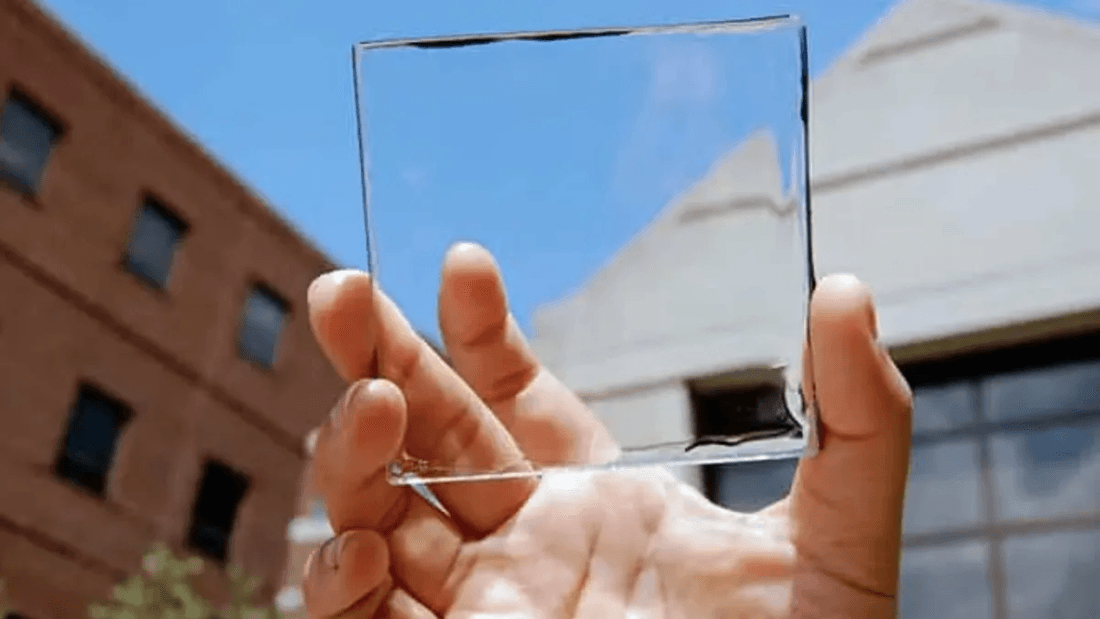
The pursuit of clean, renewable energy has driven remarkable innovations over the past few decades, pushing humanity far beyond traditional, bulky rooftop solar installations. One of the most exciting frontiers in this clean energy revolution is the development of transparent solar panels, a groundbreaking technology that effectively turns ordinary windows into power-generating surfaces. For generations, architecture and energy generation existed as two distinct fields; roofs were reserved for utility, while walls and windows were dedicated entirely to aesthetics, insulation, and natural lighting. However, as global populations urbanize and cities expand upward rather than outward, the availability of conventional rooftop space has become severely constrained. This spatial limitation has forced researchers and engineers to look outward at the vast, vertical expanses of glass that define modern metropolitan skylines. By transforming these ubiquitous transparent surfaces into active energy harvesters through Building-Integrated Photovoltaics (BIPV), scientists are unlocking an unprecedented capacity for urban distributed energy generation, turning every skyscraper into a self-sustaining vertical power plant.
At the heart of this technological marvel lies a brilliant manipulation of physics and material science, fundamentally changing how solar panels interact with sunlight. Traditional silicon solar panels are completely opaque because they must absorb a wide spectrum of visible light to maximize power generation. In stark contrast, transparent solar panels utilize selective light absorption, a process designed to capture the energy we cannot see while letting the visible spectrum pass through completely uninterrupted. Sunlight is composed of a broad spectrum of electromagnetic radiation, including ultraviolet (UV) rays, visible light, and infrared (IR) wavelengths. Human eyes are only capable of perceiving the narrow slice of light known as the visible spectrum. Transparent solar cells cleverly exploit this by using specialized organic molecules or advanced compounds that absorb only UV and near-infrared light, steering these invisible photons toward the edges of the glass where microscopic solar strips convert them into usable electricity. This sophisticated engineering feat relies heavily on cutting-edge materials like organic photovoltaic (OPV) compounds and perovskite solar cells, which offer the unique chemical tunability and flexibility required to keep glass clear while harvesting clean power.
To turn a standard pane of glass into a functional photovoltaic device, manufacturers assemble a complex sandwich of ultra-thin, highly specialized layers. At the core of the design is a transparent conductive layer, which typically utilizes advanced materials such as indium tin oxide, silver nanowires, or conductive polymers designed to collect generated electrons without obstructing the passage of light. Sandwiched alongside this are the semiconductor materials—such as customized polymers or quantum dots—which perform the heavy lifting of converting captured photons into an electrical current. Furthermore, these modules incorporate robust protective coatings to shield the delicate internal chemistry from environmental factors like moisture, fluctuating temperatures, and long-term degradation from ultraviolet radiation. Depending on the intended design and application, these systems fall into distinct categories, ranging from fully transparent panels that maintain near-total glass clarity for luxury architecture and high-end residential windows to semi-transparent photovoltaic glass that incorporates tinted films or patterned cells to strike a balance between visibility and higher energy output.
Despite the incredible promise of this technology, physics imposes an inherent performance trade-off between transparency and energy conversion efficiency. Because fully transparent panels intentionally allow the entire visible light spectrum to pass straight through, they only capture a fraction of the total solar energy available, yielding efficiencies typically ranging between 1% and 5%. Semi-transparent alternatives, which may feature slight tints or localized mesh patterns to capture a small portion of visible light alongside UV and infrared rays, achieve higher efficiencies generally falling between 7% and 12%. When compared to traditional, opaque silicon panels that routinely operate at 20% to 24% efficiency, transparent solar panels clearly lag behind in raw power generation per square foot. However, evaluating transparent solar windows solely on their electrical efficiency misses their holistic architectural and thermal value. Because these advanced glass units often double as thermal insulators, they actively reduce solar heat gain inside buildings, drastically lowering indoor cooling costs and delivering compound energy savings that extend far beyond raw electricity generation.
The practical applications of this technology are vast and promise to completely reshape architectural design across the commercial, industrial, and agricultural sectors. The most immediate and transformative use case can be found in commercial skyscrapers and high-rise office buildings, where vertical glass facades offer exponentially more surface area than conventional flat roofs. By retrofitting these towers with solar glass, developers can drastically increase a building’s overall renewable energy footprint without altering its external appearance or blocking natural daylight for occupants. Beyond corporate offices, transparent solar panels are finding a transformative home in greenhouses and agricultural structures, where they can generate electricity while still letting through the specific wavelengths of sunlight that plants require for photosynthesis. Other promising deployment areas include skylights, transit shelters, automotive glass, and residential windows, opening up entirely new dimensions where energy can be harvested invisibly in places that were previously deemed functionally useless for power generation.
Looking toward the future, the commercial trajectory of transparent solar panels points toward rapid market expansion and profound technological maturation. Market analysts project exponential growth for the building-integrated photovoltaics sector over the coming decade, driven by stringent global carbon neutrality targets, rising electricity costs, and favorable government incentives. As research institutions around the globe continue to refine perovskite stability, improve manufacturing scalability, and lower the production costs associated with advanced thin-film materials, the efficiency gap between transparent and traditional solar panels is expected to narrow. Furthermore, the future of this technology will see seamless integration with smart building management systems, creating dynamic windows that can automatically adjust their tint, optimize energy harvesting based on real-time weather conditions, and intelligently balance internal lighting and thermal loads. Ultimately, turning ordinary windows into solar panels transcends a mere engineering novelty; it represents a fundamental paradigm shift in how human civilization conceptualizes urban infrastructure, transforming static glass walls into dynamic, active participants in the global transition toward a sustainable, net-zero future.