
July 5, 2026
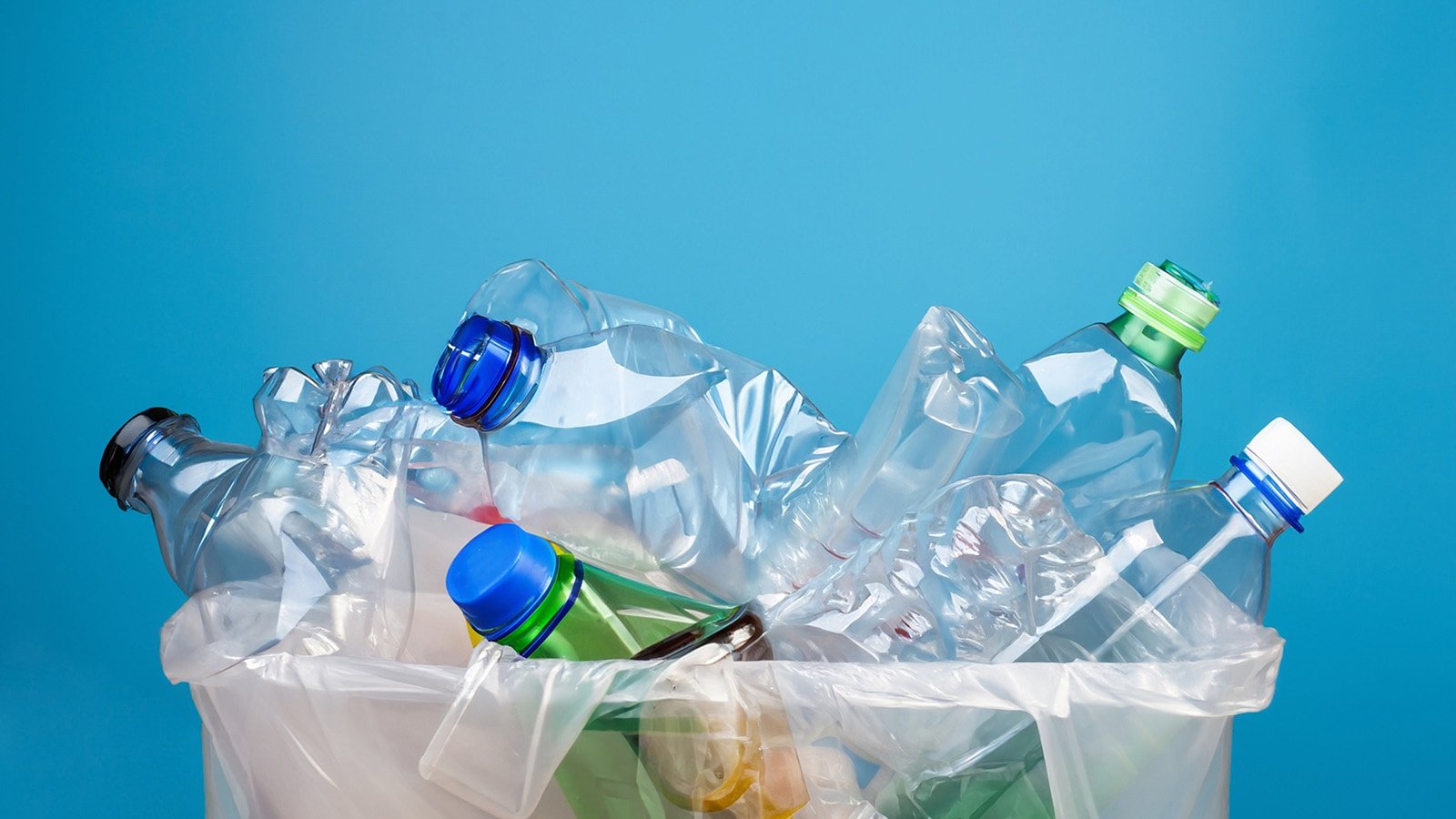
In a major breakthrough for both global waste management and the green energy transition, scientists at Pennsylvania State University have developed a pioneering method to transform discarded single-use plastic bottles into high-performance, battery-grade synthetic graphite. This breakthrough, published in the scientific journal Diamond and Related Materials, offers a dual solution to two of the most pressing environmental and logistical challenges of modern times: the escalating global crisis of plastic pollution and the rapidly growing deficit of critical minerals required for electric vehicle (EV) batteries. By utilizing polyethylene terephthalate (PET), the highly prevalent plastic used in consumer beverage bottles, researchers have successfully demonstrated that everyday trash can be upcycled into an advanced energy storage material capable of powering next-generation electric cars, smartphones, and large-scale renewable energy grids.
Graphite serves as the essential component of the anode, which is the negative electrode responsible for storing and releasing electrical charge during battery cycles. Because every electric vehicle battery demands a massive volume of highly pure carbon, the United States Department of Energy has officially classified graphite as a critical mineral, intensifying the global race to secure sustainable and localized supply chains. Currently, battery manufacturers rely heavily on either natural graphite mined from the earth—a practice tied to severe environmental degradation—or conventional synthetic graphite derived from fossil fuel byproducts through complex, energy-intensive processes. The Penn State research team, led by doctoral student Shakshi Sekar and professor of energy and mineral engineering Randy Vander Wal, has fundamentally shifted this paradigm by proving that a massive municipal waste stream can serve as an exceptional alternative feedstock for high-grade synthetic carbon.
The mechanical and chemical execution of this innovation hinges on a sophisticated, yet highly streamlined, thermochemical transformation called graphitization. The process begins by taking consumer PET plastic waste, shredding it into uniform flakes, and blending it with a precise 2.5% by weight of graphene oxide. This specific formulation is the catalyst-free magic behind the entire breakthrough. The mixture is then subjected to a carefully controlled thermal treatment within a specialized furnace. Under extreme heat, the molecular bonds of the PET plastic fracture, driving off volatile non-carbon elements and leaving behind loose carbon atoms. Rather than allowing these atoms to collapse into a disorganized, amorphous char, the oxygen-containing functional groups along the edges of the added graphene oxide sheets act as active structural templates, actively guiding the liberated carbon atoms to arrange themselves into highly organized, flat, stacked hexagonal layers.
The structural quality of the synthetic graphite generated via this template-guided method has astonished materials scientists, as the plastic-derived graphite possesses crystalline dimensions that actually surpass those of commercial natural graphite. When evaluated under advanced imaging and diffraction instruments, the material displayed exceptionally large, well-ordered crystallites, which are microscopic zones where carbon layers achieve flawless spatial alignment. Specifically, the resulting graphite reached a crystal width of approximately 114 nanometers and a stacking height of 27 nanometers, outperforming standard commercial natural graphite benchmarks which typically register around 100 nanometers and 24.6 nanometers respectively. This superior degree of crystalline structural order is the primary metric indicating how efficiently an anode material can facilitate the movement of lithium ions, translating directly to faster charging capabilities, higher energy density, and extended lifespan for EV batteries.
One of the most disruptive aspects of this new upcycling method is its radical departure from conventional synthetic graphite manufacturing, which historically relies on heavy metal catalysts. Traditional synthesis usually requires the introduction of metals like iron, nickel, or cobalt to force carbon into a graphitic structure, a method that inevitably leaves behind microscopic metallic impurities that can cause internal short circuits if left inside a battery cell. To eliminate this risk, manufacturers must utilize highly aggressive, toxic chemical leaching steps to purify the final product, creating a secondary stream of hazardous waste. By completely avoiding metal catalysts and using graphene-based additives instead, the researchers have created an inherently cleaner graphite while eliminating the multi-step catalyst removal process, thereby massively simplifying the industrial manufacturing pipeline and slashing production costs.
While the Penn State team notes that additional engineering optimization is required to evaluate the long-term cycling performance of these anodes inside commercial battery cells and scale the thermal furnaces for high-volume mass production, the commercial and geopolitical implications of this science are immediate. The global market for electric vehicle battery recycling and sustainable material sourcing is growing exponentially, rising past $4.8 billion in 2026 alone, fueled by strict new international environmental regulations and mineral scarcity. Because natural graphite supply chains are highly centralized and vulnerable to geopolitical trade restrictions, establishing a domestic, circular manufacturing pathway that transforms municipal plastic waste into premium battery components presents a massive economic incentive for automotive manufacturers looking to secure regionalized, sustainable material pipelines.
Ultimately, this scientific milestone marks a profound philosophical pivot in how global society categorizes consumer waste within a modern circular economy. Instead of treating discarded plastics as a low-value disposal nightmare destined to clog landfills or pollute marine ecosystems for centuries, this process establishes plastic as a high-value chemical feedstock for clean technology. As the automotive industry aggressively transitions away from internal combustion engines, the ability to simultaneously mitigate plastic pollution while cleanly supplying the critical carbon needed for the global electric vehicle rollout represents a closed-loop triumph, proving that the keys to our sustainable energy future might very well be found inside our recycling bins.