July 18, 2026
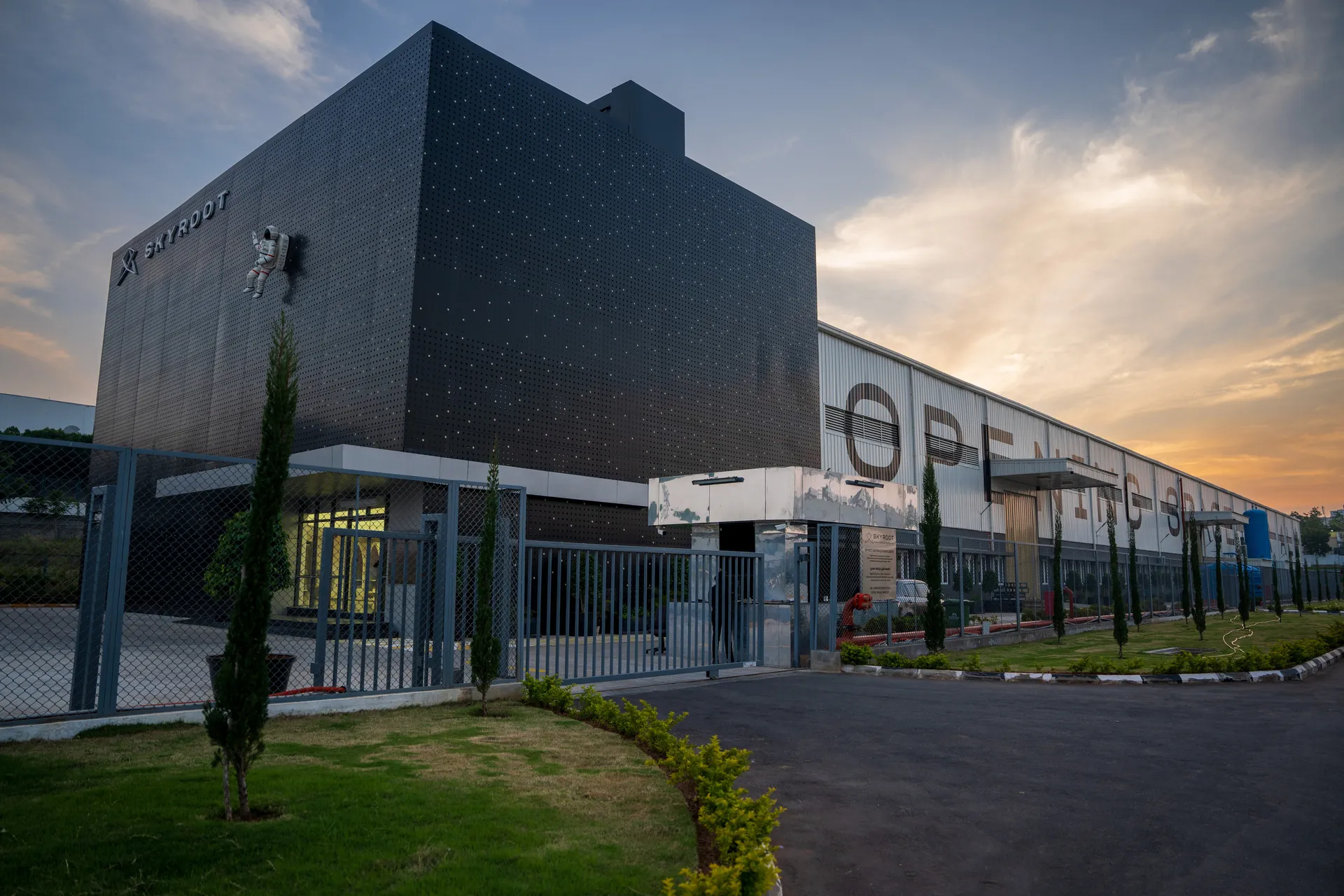
India’s space sector is poised to enter a new era as Hyderabad-based space startup Skyroot Aerospace prepares for the historic launch of Vikram-1, the country’s first privately developed orbital-class rocket . The mission, aptly named “Mission Aagaman” — a Sanskrit word meaning “the arrival” — is scheduled for liftoff at 11:30 AM from the First Launch Pad at the Satish Dhawan Space Centre (SDSC-SHAR) in Sriharikota, the same launchpad that has been the site of India’s most significant space achievements . This launch is not just a test for a single company but is widely seen as a crucial validation of India’s growing private space ambitions and a major step towards establishing the nation as a key player in the global commercial launch market . The significance of this date extends beyond the mission itself, as it falls exactly 46 years after India’s own space agency, ISRO, successfully launched its SLV-3 rocket from the same spaceport, a mission that made India the sixth country capable of launching satellites into orbit and marked its own “arrival” in the spacefaring club .
The Vikram-1 rocket, a seven-storey-tall launch vehicle, is the culmination of years of rigorous design, testing, and integration by the Skyroot team, founded by former ISRO scientists Pawan Kumar Chandana and Naga Bharath Daka . Unlike its predecessor, the suborbital Vikram-S which made history in November 2022 by becoming the first privately built Indian rocket to reach space , Vikram-1 is designed for a much more demanding task: to place payloads directly into Earth’s orbit . The rocket boasts an all-carbon composite structure and is powered by innovative, in-house developed propulsion systems, including 3D-printed engines and high-thrust solid rocket motors . This advanced engineering allows Vikram-1 to carry satellites weighing up to 350 kilograms to Low Earth Orbit . For its maiden test flight, the rocket is targeting a 450-kilometre orbit at a 60-degree inclination, a mission designed to gather critical data on its performance rather than being a full commercial deployment .
The primary objective of Mission Aagaman is validation . As Skyroot’s co-founder and CEO, Pawan Kumar Chandana, stated, “We have done everything that could be done to test Vikram-1 on the ground. On July 18, we are eager to see how Vikram-1 performs in the real flight environment for the first time” . The mission is intended to collect invaluable data on the rocket’s propulsion, stage separation, guidance, navigation, and control systems during actual flight conditions . This data will be foundational for Skyroot’s future plans, helping the company learn, improve, and ultimately establish a reliable launch cadence for its commercial operations . While the primary goal is gathering data, the rocket will carry several technology demonstrator payloads from companies like Grahaa Space, Cosmoserve, and DCubed, as well as Skyroot’s own SCOPE experiment . Adding a personal and symbolic touch, the payloads also include a handwritten postcard from Prime Minister Narendra Modi that reads “Vande Mataram,” alongside messages from current and former ISRO chairmen and Indian astronauts .
The lead-up to the launch has seen all necessary clearances secured, with authorities issuing airspace and maritime notices to designate restricted zones along the rocket’s flight path and impact corridor . All stages of the vehicle have been successfully integrated and stacked on the launchpad, and final checks from Skyroot’s launch control centre, along with telemetry and radar tracking interface checks, have been completed . For the team at Skyroot and the broader Indian private space ecosystem, Mission Aagaman represents far more than a single launch; it is a testament to the resolve and capability of India’s commercial space industry, demonstrating that private companies are ready to complement and build upon the foundational work of ISRO to capture a significant share of the growing global small satellite launch market . As co-founder Naga Bharath Daka noted, this test flight represents the hopes and hard work of around 1,000 people and over 400 suppliers, and “with the in-flight data gathered from this mission, we will return to the shop floor to learn, improve, and build further” . The world will be watching as the Vikram-1 stands poised on the pad, ready to demonstrate whether India’s private sector can turn its ambitious vision into orbital reality.